

Are Fast-Track Courts Actually Fast?
India's fast-track courts have 249,000 pending cases. Elsewhere, rare-earth mining is reshaping a Kerala coastline, and the story of Lakshadweep's journey to TB-free status

Dear Reader
India’s 775 fast-track special courts—398 of them set up exclusively for cases under the POCSO Act—have disposed of 366,124 cases since 2019. By April 2026, they still had 249,000 pending.
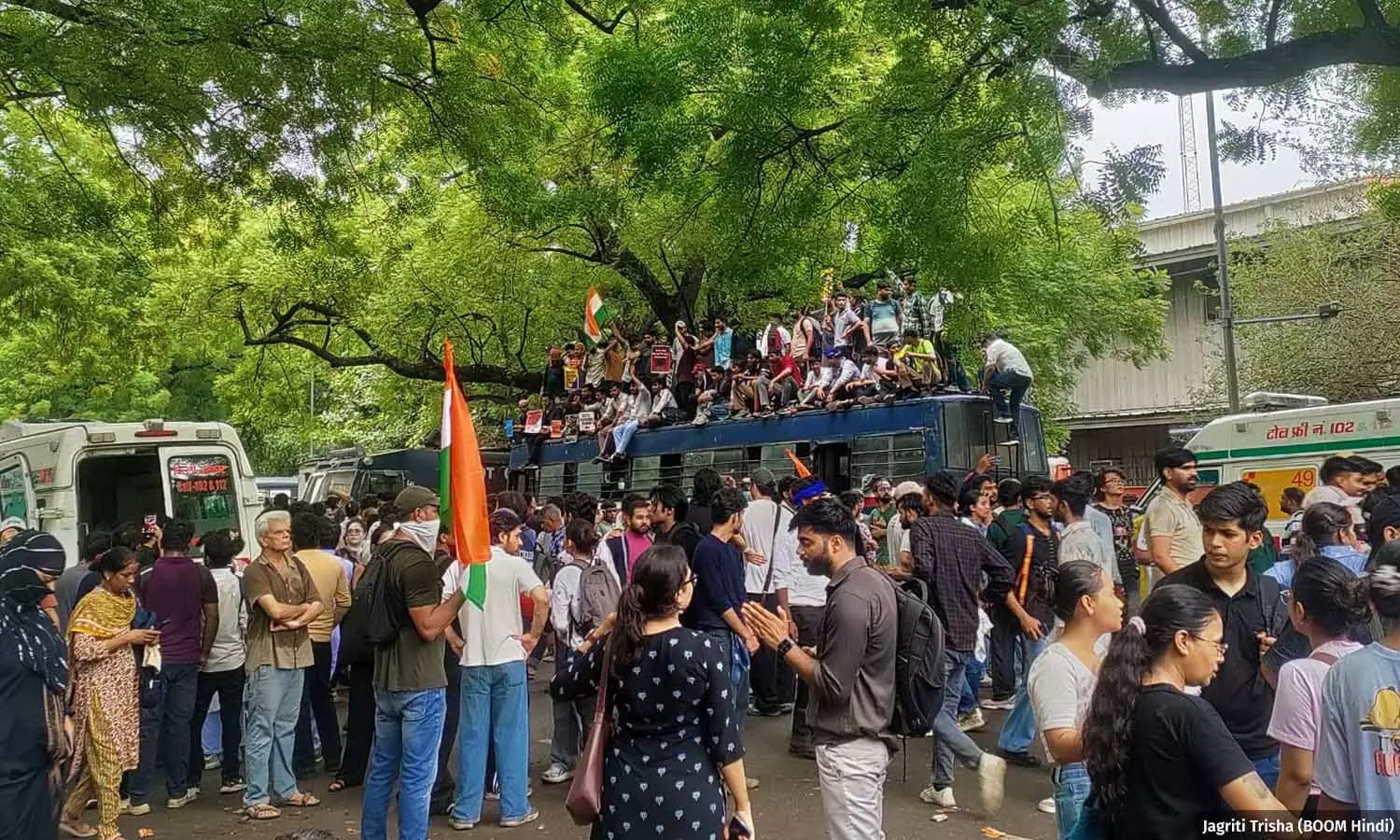
That’s the backdrop against which Prime Minister Narendra Modi announced fast-track courts for paper-leak cases this week, three days after police baton-charged and tear-gassed students marching from Delhi’s Jantar Mantar to Parliament.
“How does this mechanism partially, marginally or even peripherally address the concern which has brought the youth of this country out on the streets?” asked lawyer Vrinda Grover, who called the move a gimmick.
Elsewhere, we report on a Kerala village where sea erosion has swallowed hundreds of homes—and where India’s search for rare-earth minerals for its clean-energy transition could deepen the damage.
Last week, I spoke to a public health physician about how Lakshadweep, an archipelago where the sea often decides whether help can even arrive, became the first part of India declared free of tuberculosis.
Why fast-track courts keep failing to be fast
Students protests are continuing in several cities across the country, seeking accountability for paper leaks in critical competitive exams such as the National Eligibility cum Entrance Test for undergraduate medical admissions. On Thursday, the Prime Minister announced fast-track courts to “ensure swift and stringent punishment for those involved in paper leaks”.
Fast-track courts are not new to India. A 2019 centrally sponsored scheme provided for setting up fast-track special courts (FTSCs), including exclusive courts to deal with cases under the Protection of Children from Sexual Offences (POCSO) Act.
But even these courts see pendencies and delays. A 2022 study of 486 POCSO courts by the Vidhi Centre for Legal Policy found that they took an average of 510 days to dispose of a case. In 2020, Delhi had the highest average case length at 1,284 days or about 42 months. This is six months shy of the time taken to complete a graduate degree.
Scheme guidelines require each fast-track court to have one judicial officer and seven support staff, with no court allowed to double up as an existing one. In practice, several courts have simply been redesignated, carrying the burden of two dockets at once.
Further, paper leak cases will require rigorous and meticulous investigation involving both digital and physical evidence, said Grover. “The conversation we don't have is, how competent, skilled, relevant is the investigation that is done.”
“Merely having a faster judicial track is not enough to expedite the resolution of cases,” Valay Singh, lead at India Justice Report, told me. “What is equally important is the presence of a dedicated unit of investigative agencies to serve these courts.”
Singh cited the 2025 report to point out that there is a nearly 50% vacancy in posts of scientific officers in forensic labs, nationally. “In police, separation on investigative and law and order wings remains to be implemented on the ground, therefore, investigations remain poor and slow,” he explained. Read my report here.
Between the dark sands and the blue seas
Saina Banu spent years saving from her work processing prawns for export. By 2025, she'd saved Rs 45,000—enough to build a barrier of sandbags around her home in Kerala's Thottappally. Last August, the sea took her house of 35 years.
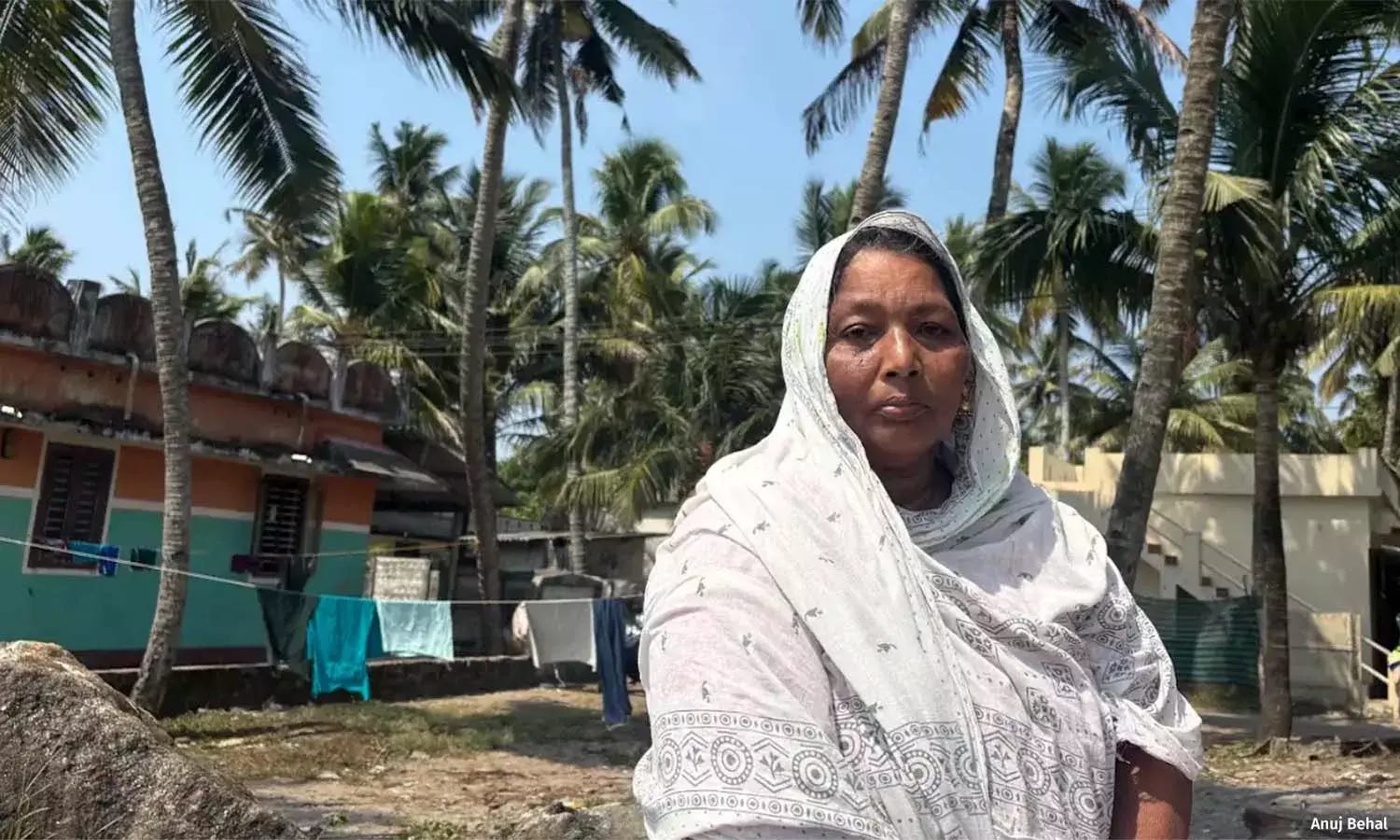
Her village, along Kerala's Alappuzha coast, sits atop rich deposits of rare-earth-bearing sands, now central to the magnets that power EVs, wind turbines and defence equipment.
Mining here dates to the 1960s, and residents, fish workers’ unions and environmentalists say decades of extraction have stripped the coast of its natural defences. At least 746 houses have collapsed to erosion across five panchayats, local groups estimate. A government scheme compensates families with Rs 10 lakh per lost home. “What are you going to get with Rs 10 lakh?” Saina Banu asked. “You can’t even buy land with it, forget a house.”
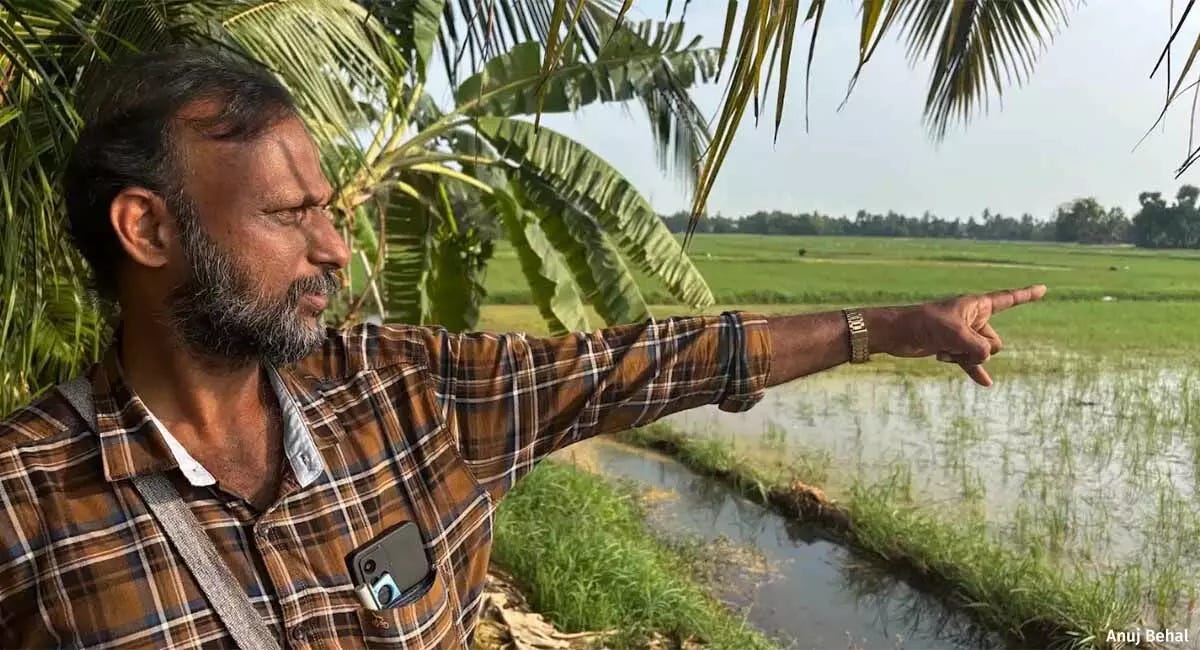
This is also affecting livelihoods: Farmer Satheseeran once harvested two paddy crops a year on his land in Kuttanad. Today, rising salinity has pushed him partly toward fish farming, as saltwater intrudes further into fields that used to sustain his family. On the other hand, fishers say years of mineral sand mining have changed the seabed, reduced catch and made livelihoods more uncertain.
As India builds rare-earth corridors in four states to cut its 85-90% dependence on Chinese imports, mining projects remain exempt from public hearings—a rule meant to expedite approvals but one that risks the opposite, researchers say, as stalled projects and land conflicts multiply along India’s coasts.
Read Anuj Behal’s story here.
How an archipelago beat TB
Lakshadweep, India’s smallest Union Territory, was declared TB-free in 2021—the country’s first such success. Getting there meant running a national health programme across ten inhabited islands two to five hours apart by sea, with one island a 16-hour ship journey from headquarters. Rough seas can cut movement for nearly five months of the year.
I spoke to Rakesh P.S., public health physician, researcher, and health systems specialist who worked on the programme, about what it took. His answer: decentralised diagnosis and treatment, trained local teams, and repeating the unglamorous basics—house-to-house screening, quick sputum testing—year after year.
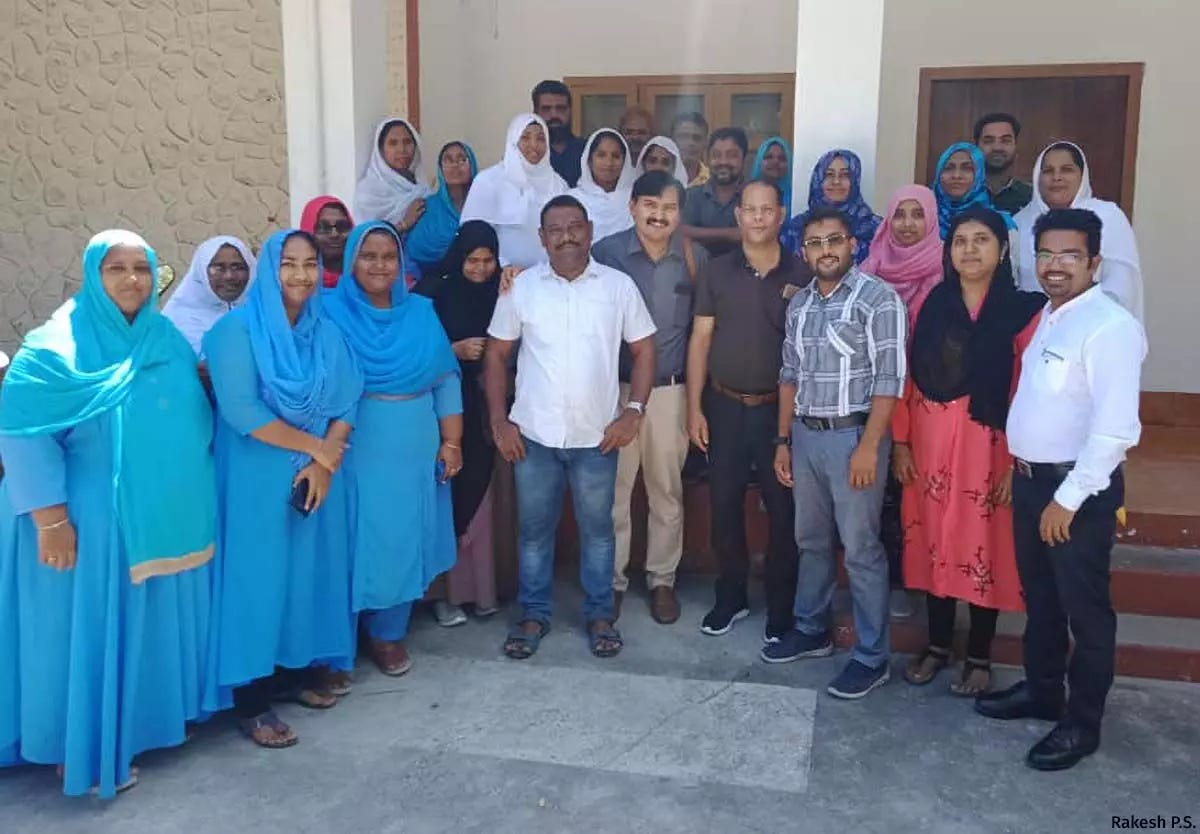
“Perhaps it is the health system that is hard to reach,” he said, questioning why planners default to calling remote communities the problem. He also credited panchayats, trusted ASHAs and women’s relative autonomy in Lakshadweep’s matrilineal culture for reaching people that routine coverage numbers missed.
“To an outsider peering through a diving mask, the underwater world looked impossibly peaceful. Or perhaps I was not sensitive enough to understand their conflicts, fears, and insecurities,” Rakesh wrote in his just-published book, Echoes from the Atoll.
To me, these two lines serve as a metaphor for the challenges faced in the archipelago’s journey to TB-free status. Rakesh describes how officials from the mainland had a disconnect with the implementation teams on the islands.
Read the interview here.
That’s all for this week. We’ll be back soon, with more.