

Migration & Distress
How changing climate is worsening Purulia’s migration crisis, and the impact of heat on India’s gig and platform workers

Dear Reader
Elections to the legislative assembly in Assam, Kerala, Puducherry, Tamil Nadu and West Bengal have concluded, with counting scheduled for Monday, May 4. Campaigns in all regions were intense, but there was little focus on climate and its impact on the health and livelihoods.
Ahead of the second phase of voting in West Bengal, we looked at Purulia district on the western edge of the state. Erratic rainfall, soil erosion and lack of irrigation makes agriculture unviable for most in the region. In addition, for years now, work under the world’s largest rural jobs programme was unavailable.
While people have historically migrated for work from Purulia, changing climate is driving up distress in the region. Left behind are the elderly, women and children, who pay a heavy social price while the men toil away in faraway lands.
Elsewhere, we look at Delhi’s gig workers and the impact of heat on their health and earnings.
The Long Road to Survival
Pijush Bauri earns Rs 14,000 waterproofing roofs in Surat. But he was forced to return home to West Bengal’s Purulia as the LPG crisis unfolded. Now back at home, he has no income.
Pasupati Majhi works in construction in faraway Goa. He dreads the uncomfortable and expensive 40-hour train journeys back home to Purulia in West Bengal. “Nobody really knows how precarious our lives are,” he says.
For 33-year-old Kanika Mahato, most days are lonely without her husband, who works in Jharkhand’s Bokaro sorting and loading metal. She dreads the possibility of a health emergency for her children.
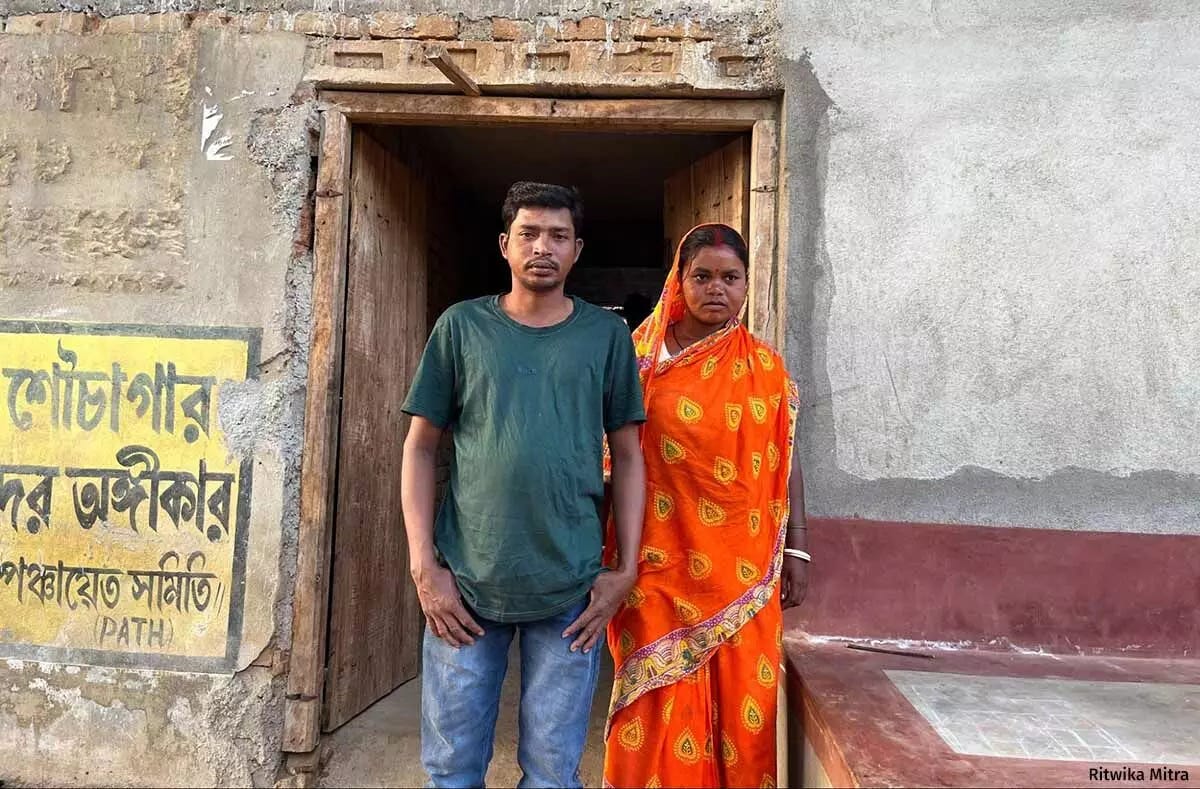
Purulia is drought-prone, and receives 60% of its annual rainfall in a fortnight. Agriculture is rainfed, and poor fertility and lack of irrigation facilities means nearly half the area under cultivation is under a single crop.
“Migration becomes a survival strategy,” Umi Daniel, director, migration and education at the non-profit Aide et Action International, says, but “does not really give them better opportunities—they do manual labour and are paid less wages,” says Daniel.
From Purulia’s Hura, Manbajar and Puncha blocks, Ritwika Mitra documents the livelihood crisis and the social cost of distress migration
The Algorithm Doesn’t Take a Heat Break
The National Disaster Management Authority has a standing advisory to protect gig workers from the impacts of heat, which among other things calls on platforms to not mandate work during the peak afternoons.
But gig workers, at the mercy of algorithms they do not fully understand, are incentivised to stay logged in during this peak time, and accept all orders. Lunchtime is a critical part of the platforms’ service, and therefore, incentivising workers makes business sense. Staying logged in is technically voluntary, but workers say that without the incentive amounts, their incomes are not enough to make ends meet in the metros they cater to.
But without critical amenities such as rest or cooling areas, UV-protective clothing, and provision of drinking water and ORS, workers face intense heat stress every shift, putting their health and life at stake. “When we climb three to five floors in apartment complexes, we get dizzy. In many buildings, they do not even allow us to use the elevator,” says Ankit Soni from Bihar’s Siwan district.
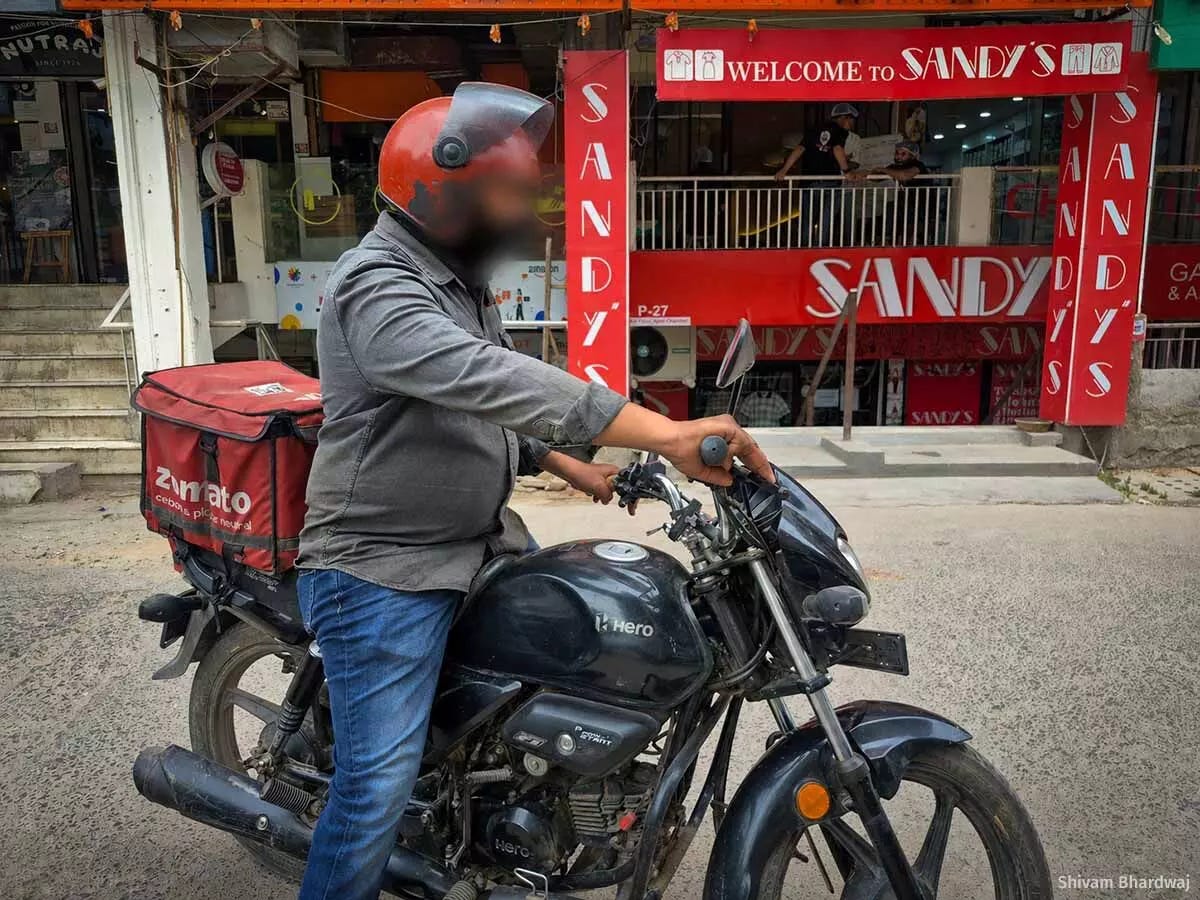
“It is not possible to take a two- or three-hour break during a heatwave under company policy. If I take a break, I won’t earn enough,” says Rinku Kumar (name changed), a Zomato delivery agent.
“For workers who depend on daily income with no wage security, heat safety cannot work unless income loss is addressed directly,” says Vidhya Venugopal, professor of occupational and environmental health at the Sri Ramachandra Institute of Higher Education and Research.
As several parts of India are seeing high temperatures, Shivam Bhardwaj reports on the worker heat stress subsidising India’s delivery economy. (Explore this interactive quiz to navigate through a gig worker’s day).
That’s all for this week. We’ll be back next week with more stories.