

More Money, Same Problems
This week, insights from the budget for India's social sector, with a special focus on public health

Dear Reader
The Union Budget 2026-27 was presented last weekend, and if you only read the headlines, things look promising. Health spending is up 9%. Welfare programmes saw small increases. The finance minister’s speech emphasised empowering marginalised groups and expanding access to essential services.
India is budgeting more but achieving less. The problem isn’t how much gets allocated in February—it’s what happens in the months that follow: Money announced but not spent. Infrastructure built but not staffed. Schemes designed but not reaching people who need them.
Across health, education, housing, and welfare, a pattern repeats: ambitious targets, persistent gaps, and systems that expand on paper while outcomes stagnate on the ground.
Why Healthcare Suffers While Budgets Keep Growing
India’s health budget is now Rs 1.06 lakh crore, up 9% from last year. Some 183,000 health centres have been upgraded and 157 new medical colleges approved in the past decade. Yet 50% of Indians still avoid public healthcare facilities, citing poor quality, long waits, and staff shortages.
Fund utilisation is low. Increasing money is not the answer, says Nachiket Mor of Banyan Academy of Leadership in Mental Health. “The problem is how the health system is designed and run.”
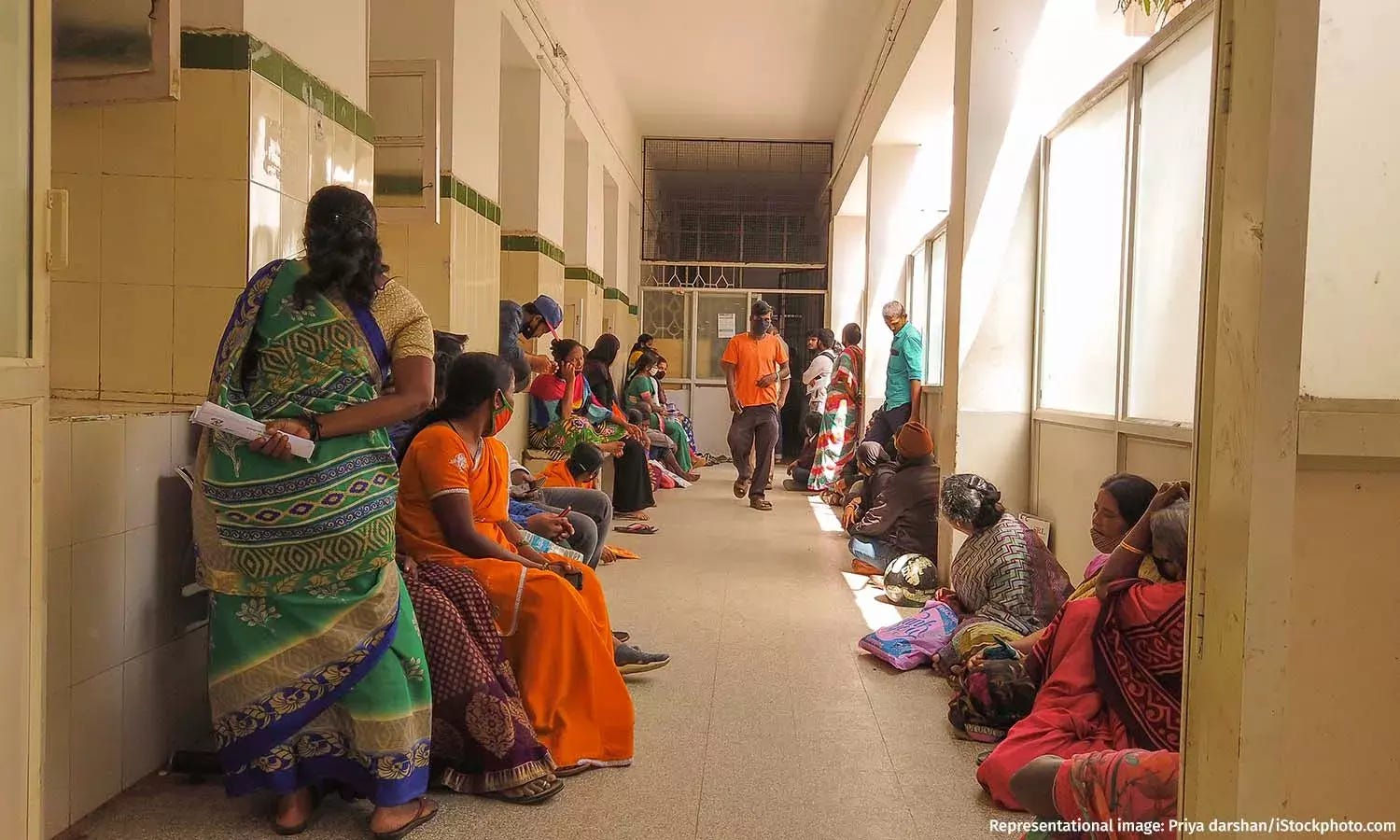
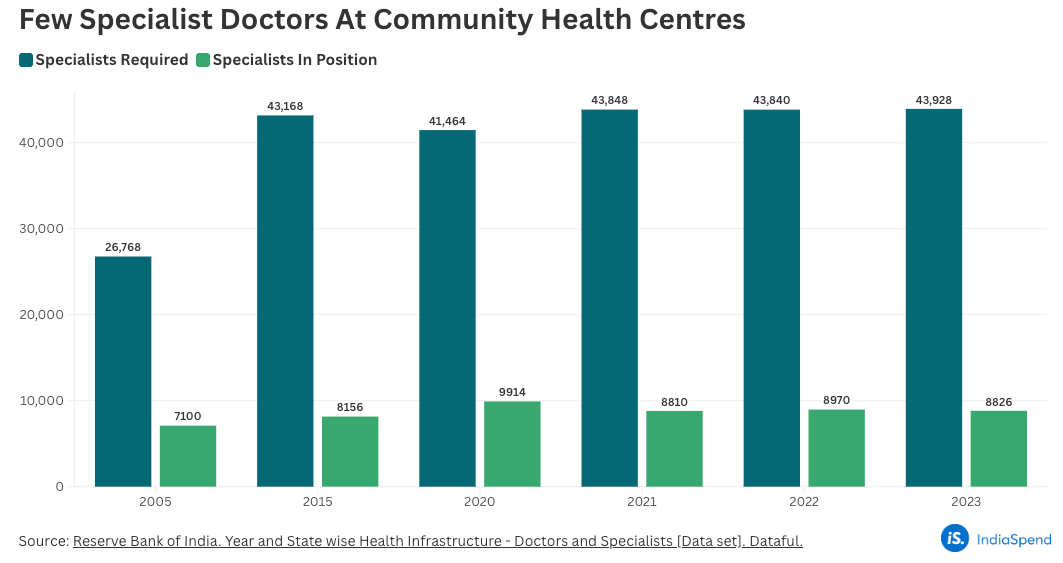
Community health centres face an 80% shortfall in specialists. Radiographer shortages at health centres increased from 35% in 2005 to 58% by 2022-23. What this means is that millions of Indians end up having to approach tertiary centres even for a simple X-ray, often losing a day’s wages and spending money and to get there.
Out-of-pocket health spending has declined—which sounds like progress until you understand why. “If people choose not to seek treatment at all, out-of-pocket expenditure will fall,” Mor explains. “Lower spending in such contexts reflects avoidance of the system, not better protection.”
Until quality, staffing, accountability and system design improve, higher budgets will coexist with low utilisation, weak trust, and persistent gaps in access, Prachi Salve reports.
The Shrinking Social Sector
India’s social sector budget as a share of GDP is now at its second-lowest point in over a decade—lower even than 2014-15, when the Modi government presented its first budget. Even so, eight key ministries saw parts of their budgets unspent in 2024-25.
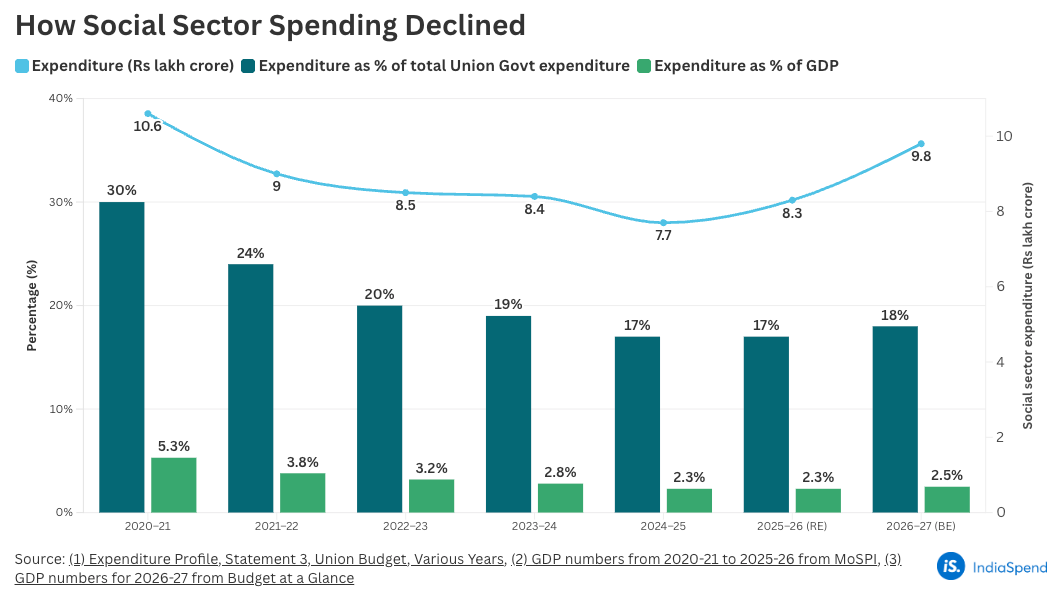
“Within social sector ministries, it is those focused on the marginalized—minority affairs, social justice, development of north-east—that see the most cuts,” says Dipa Sinha of Azim Premji University.
The minority affairs ministry—which administers programmes for basic amenities in minority-concentrated areas, skilling, and scholarships—saw 78% underspending. Labour and employment spent just over half its budget.
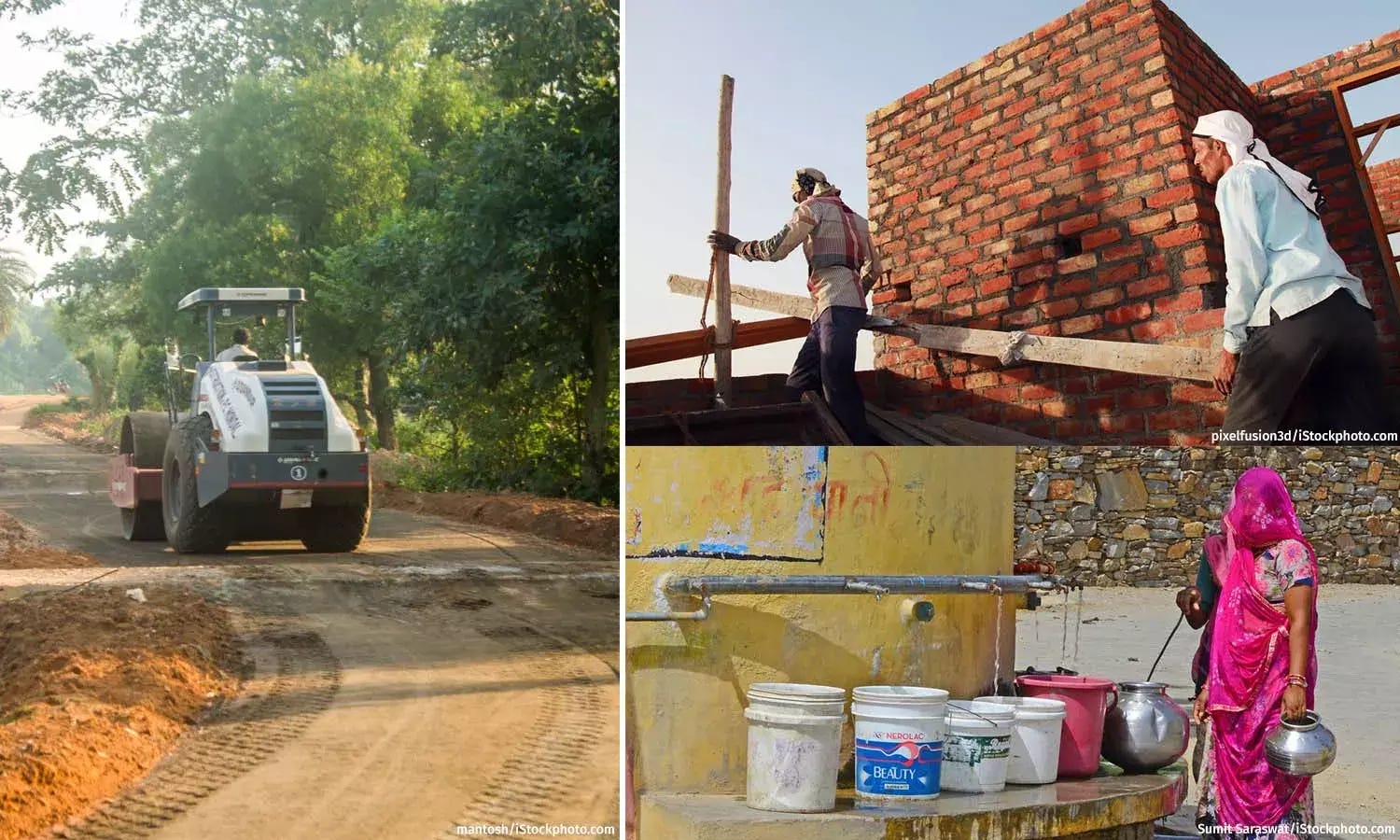
Infrastructure-heavy schemes fare no better. Jal Jeevan Mission (household tap water), rural housing (PMAY-G), urban housing (PMAY-U), and rural roads all utilised less than two-thirds of their budgets in 2024-25.
The pattern is consistent: programmes announce allocations, then underspend. States report high opening balances. Schemes receive similar or slightly increased amounts each year despite persistent underutilisation. Read our analysis by Avani Kapur and Sharad Pandey.
Have a good weekend!