

Plate Half Empty
This week, how climate change is affecting India’s nutrition security, and the trends in CSR spending

Dear Reader
In previous editions, we discussed how changing climate is affecting lives, livelihoods and entire communities across India. But that’s not all—there are second order effects that do not make it to official statistics, but are quickly becoming part of lived experience.
One of them is on India’s nutrition security. Between record paddy and wheat production, and a vast food distribution programme, fewer Indians now go to sleep on an empty stomach. But the lack of dietary diversity means millions do not get enough nutrition. And extreme weather events are affecting the crops that farmers choose to grow, their extent and output, availability and affordability.
Elsewhere, we look at India’s CSR spending, which has the potential to touch lives at scale but ends up being concentrated in a few sectors and regions.
Our daily nutrients
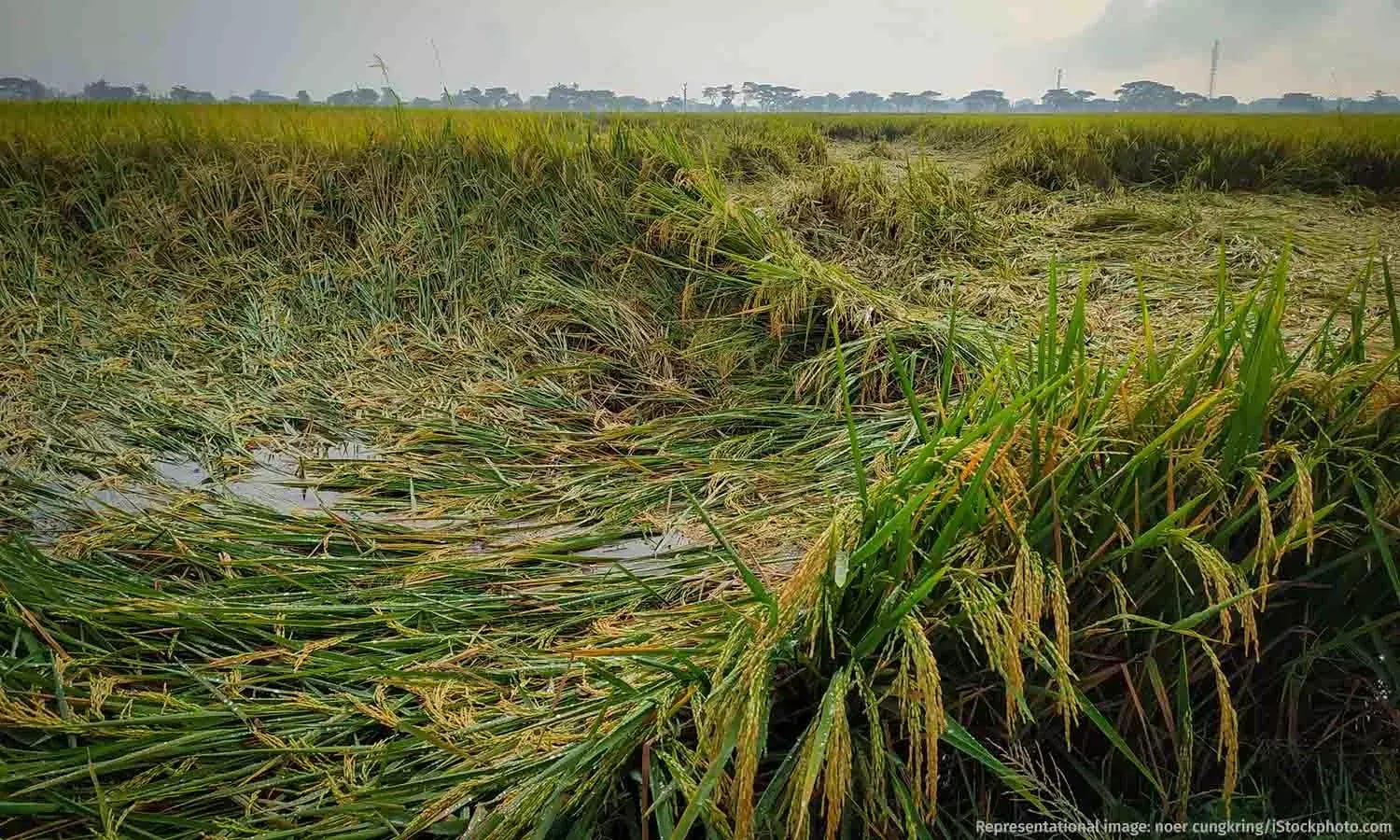
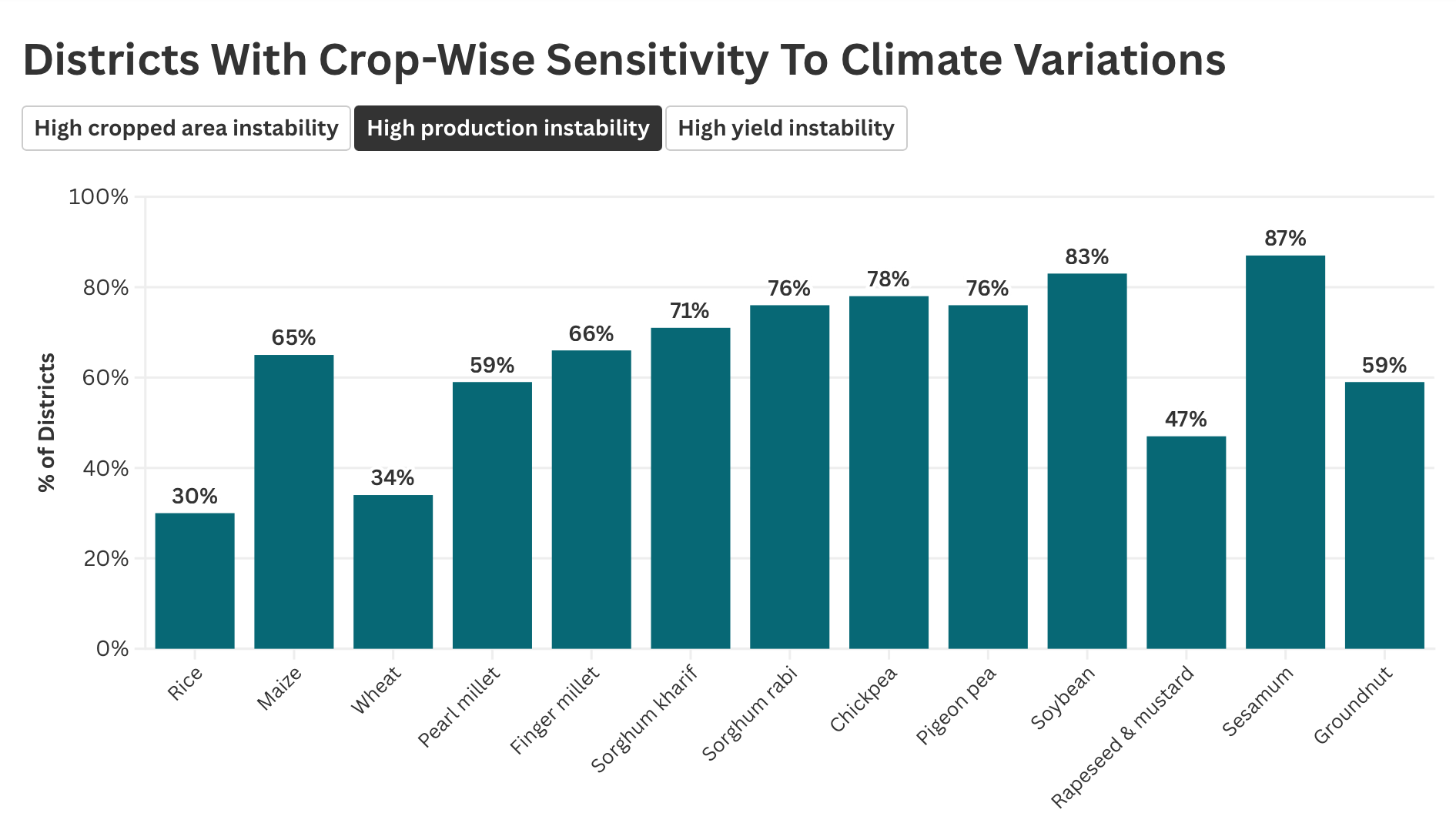
India hit record paddy production in 2024-25, but a survey of 6,615 marginal farmers found that half the paddy farmers lost more than 50% of their crop to extreme weather—every year for five straight years. And 65-87% of districts growing nutritious crops—millets, pulses, vegetables, oilseeds—show high production instability due to climate change.
Then there’s the cost dimension. IndiaSpend’s Food Price Watch shows a family of four needs Rs 9,421 monthly for a balanced diet in Mizoram—57% more than Madhya Pradesh’s Rs 6,002. Remote and climate-vulnerable states pay premium prices because extreme weather disrupts supply chains.
In India’s most vulnerable districts, food insecurity is already adversely impacting health indicators. A study of 575 rural districts found that children in climate-vulnerable areas are 1.25 times more likely to be underweight. Remedial measures need to be urgently rolled out across the country but the paucity of funds, farmer awareness and implementation support hinder these efforts, Charu Bahri writes.
Corporate Giving
India mandates that companies meeting certain thresholds spend 2% of profits on social projects. In 2023-24, firms spent Rs 34,000 crore on corporate social responsibility, but most of this flows into low-poverty areas, and larger firms are leaving funds unspent.
Ninety percent of district-level CSR goes to areas with relatively low poverty. India’s 112 aspirational districts—identified by NITI Aayog for high poverty and underdevelopment—receive under 5%.
Why? CSR increasingly follows corporate convenience: Companies are taking it in-house; funding flows to industrial districts, aligned with business interests; and compliance is weak. Vijay Jadhav explains in five charts.
That’s all for this week. We’ll be back next week, with our year-end reviews of critical sectors and issues.