

The Silent Crises
This week, the high costs of drugs for rare diseases, and the perils of drinking untreated tap water

Dear Reader
There is a quiet way that public health crises stay invisible: People suffer, but not in ways that appear on official dashboards. This week, our stories examine what happens in the space between what the state provides and what people actually receive.
One explains how sky-high prices of drugs for rare diseases impoverish millions of Indians every year. The other finds that one in four tap water samples from rural households failed microbiological safety tests in 2024, while three in four households drink that water without any treatment.
In both cases, the gap between promise and reality falls hardest on people who have the fewest options.
The Impossible Math of Getting Sick
When Kusum Devi felt sudden pain on the night of her daughter's wedding, doctors eventually diagnosed her with chronic lymphocytic leukaemia. The medicine she needs costs about Rs 8,500 a month. Neither her state insurance scheme nor the Union government's flagship PMJAY scheme covers it. She is stable today only because an NGO stepped in.
Kusum is one of around 2.5 million Indians living with cancer. In addition, there are about 100 million Indians with a rare diseases—a group the government's own documentation acknowledges may need Rs 1 crore or more in treatment annually. Government assistance caps out at a one-time Rs 50 lakh payment.
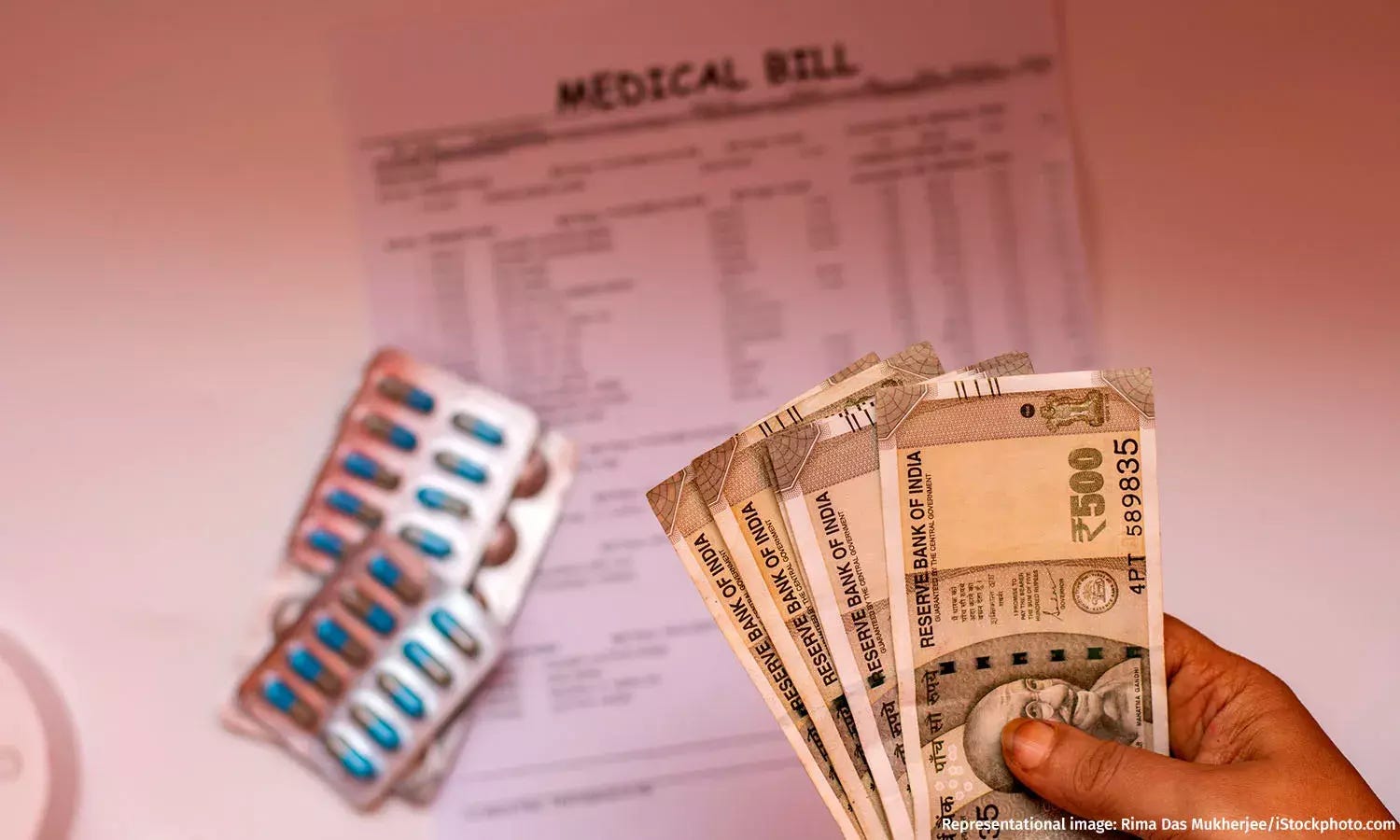
India's drug pricing framework is built around the National List of Essential Medicines. This is a reasonable starting point, but it leaves entire categories of unaddressed. Some drugs for lung cancer and melanoma cost Rs 1-2 lakh per vial and face no government price ceiling.
Countries such as Australia and Germany use health technology assessment to set drug prices against clinical benefit and public affordability, not just production costs. India does none of this.
Millions like Kusum—without NGO support, without reimbursement schemes—face the same impossible math: treatment, or financial ruin. Charu Bahri reports.
What a Govt Tap Connection Actually Means
As of January 2026, the Jal Jeevan Mission had connected over 158 million rural households to tap water—roughly 82% of rural India. But a 2024 government assessment covering 761 districts tells a more complicated story underneath the headline figure.
One in four water samples from those household taps failed microbiological safety tests. In schools, anganwadi centres, and health facilities—where children, pregnant women, and patients receive care—the failure rate was higher still, with about 27-28% of samples falling short. Three in four households do not use any treatment method before drinking their tap water.
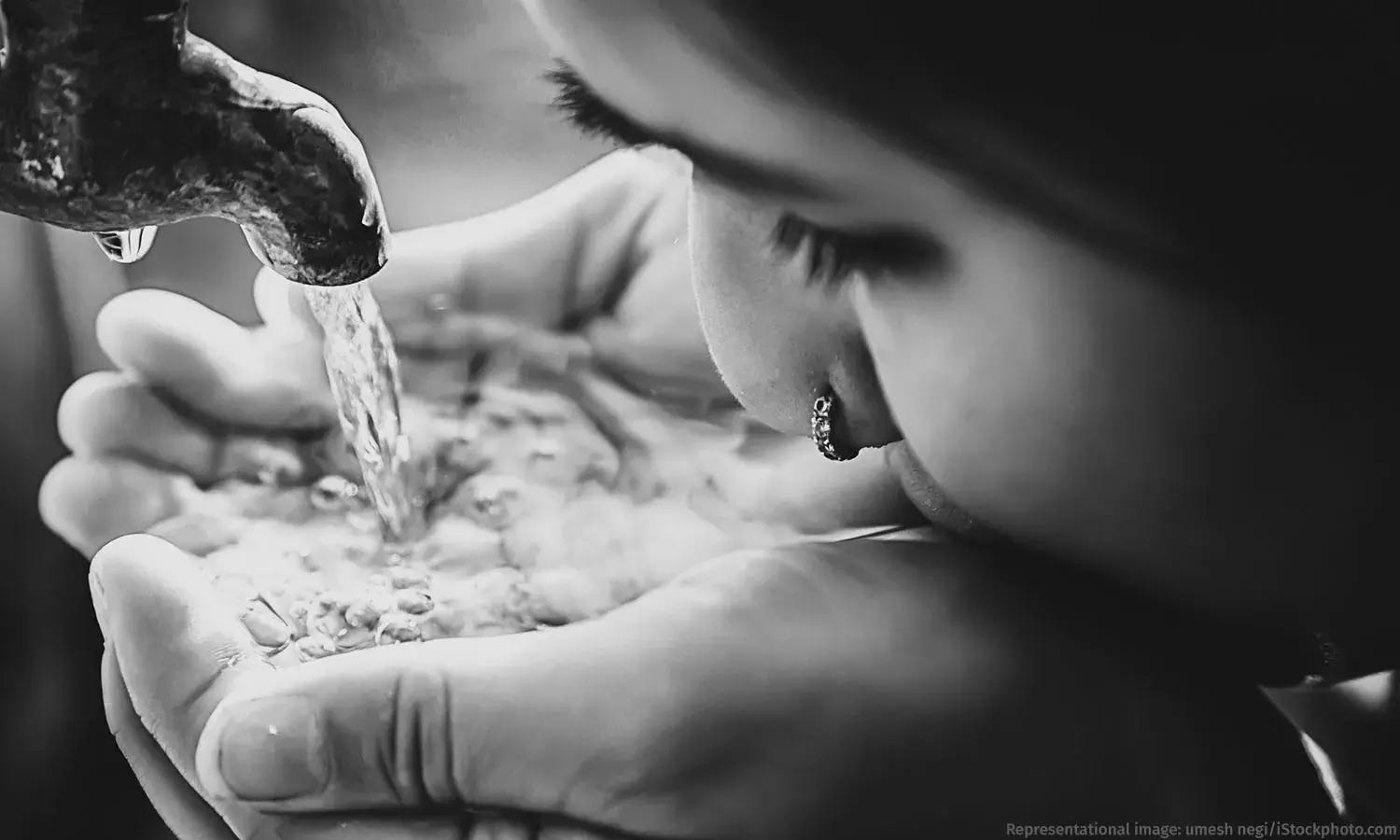
The combination is striking. Contaminated water, almost no community-level infrastructure to detect it, and the majority of households drinking it raw.
Infrastructure failures compound the picture: broken pipes were the most common reason cited by households with non-working connections, followed by pump failures. More than four in ten villages lacked skilled manpower to maintain the systems that do exist. Vijay Jadhav reports.
That's all for this week. Have a good weekend!