

The Taming Of The Brew
This week, how Araku's coffee farmers are tackling climate change, and the invisible, long recovery of Indians injured in road accidents

Dear Reader
I’m writing this sipping my third cup of coffee today—instant, black, no sugar. I’ve had two consistent reactions to this choice: either that it’s too bitter to have without milk, or condescension from connoisseurs that I’m using instant coffee. I’ve only recently begun experimenting with a French press and a Moka pot, and look forward to getting a pour-over setup.
But here’s what struck me last month: Coffee is getting harder to grow around the world, thanks to rising temperatures and erratic rains. I spent four days in Araku, a centre of India’s famous coffee, to find out what the small-holder farmers were doing to tackle changing climate.
Elsewhere, India counts road deaths but the people who survive crashes, and spend years rebuilding their lives, are largely invisible in our data.
A Storm in Your Coffee Cup
India saw 30 additional days a year of coffee-harming heat in the last five years, on average, according to a Climate Central report released last month. Andhra Pradesh had the highest overall days with temperatures above 30°C, at 257. By 2050, the area suitable for coffee farming could shrink by half without adequate adaptation.
But Araku’s model of smallholder farmers growing organic coffee holds promise. It found a mention in the Prime Minister’s speech in June 2024. The story behind it is 20 years of hard work by tribal smallholders in Andhra Pradesh’s Paderu Agency area. In 2005, farmers sold coffee cherries to moneylenders for Rs 2 a kilogram. This year, Naandi Foundation, which works with 100,000 farmers in the region, paid up to Rs 140.
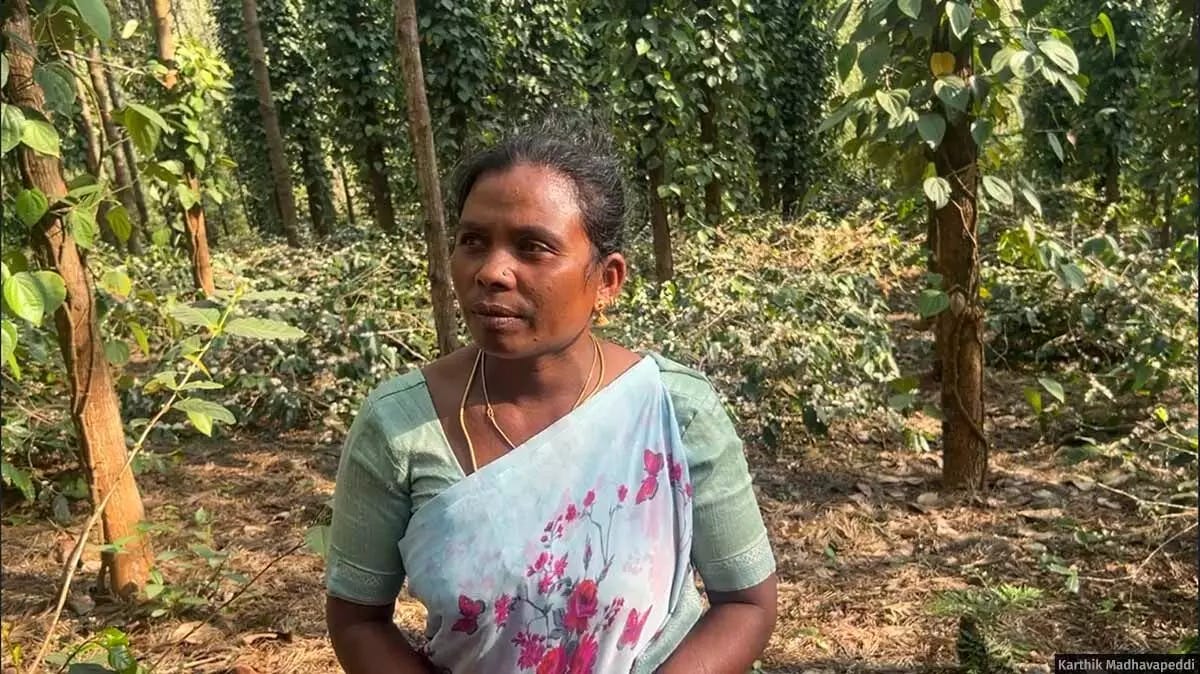
Buridi Sundaramma has grown coffee for 25 years. This harvest, she made Rs 1.7 lakh from her produce on three acres in Gondivalasa. “Earlier, we were not pruning, mulching etc. and we used to get small yields, but now we are getting better yields,” she says. Her family still carries a debt of Rs 1 lakh, taken for children’s education.
Over 72,000 farmers now make a net profit of over Rs 1 lakh annually. But as of 2022-23, the government was procuring from just 1% of the region’s 218,000 farmers. Ramarao Dora, a tribal leader who has watched turmeric and forest produce lose their markets here, sees a familiar pattern potentially repeating. The government, he argues, needs to make tribal farmers custodians of the value chain, not just suppliers to it.
I report on what’s working, what isn’t, and whether the Araku model can scale.
The Crash That Never Ends
India reported 462,825 road crash injuries in 2023. A third of these—158,576 people—were grievous: brain injuries, amputations, spinal damage. And experts say even this is likely an undercount, because India relies on police records rather than a trauma registry, and many crashes go unreported.
What the numbers don’t capture is what happens after.
Kalidas Khilare’s son was hit by a rickshaw on his way to college. The family has spent Rs 3 lakh so far. Another Rs 3 lakh surgery awaits. He still walks with pain. Nirmala Sakat’s son, a pizza delivery rider, had his foot crushed when a motorcyclist coming from the wrong direction fled the scene. The surgery cost Rs 2 lakh. His employer refused compensation because he had a learner’s permit. He is now back delivering pizzas, saving for a new two-wheeler.
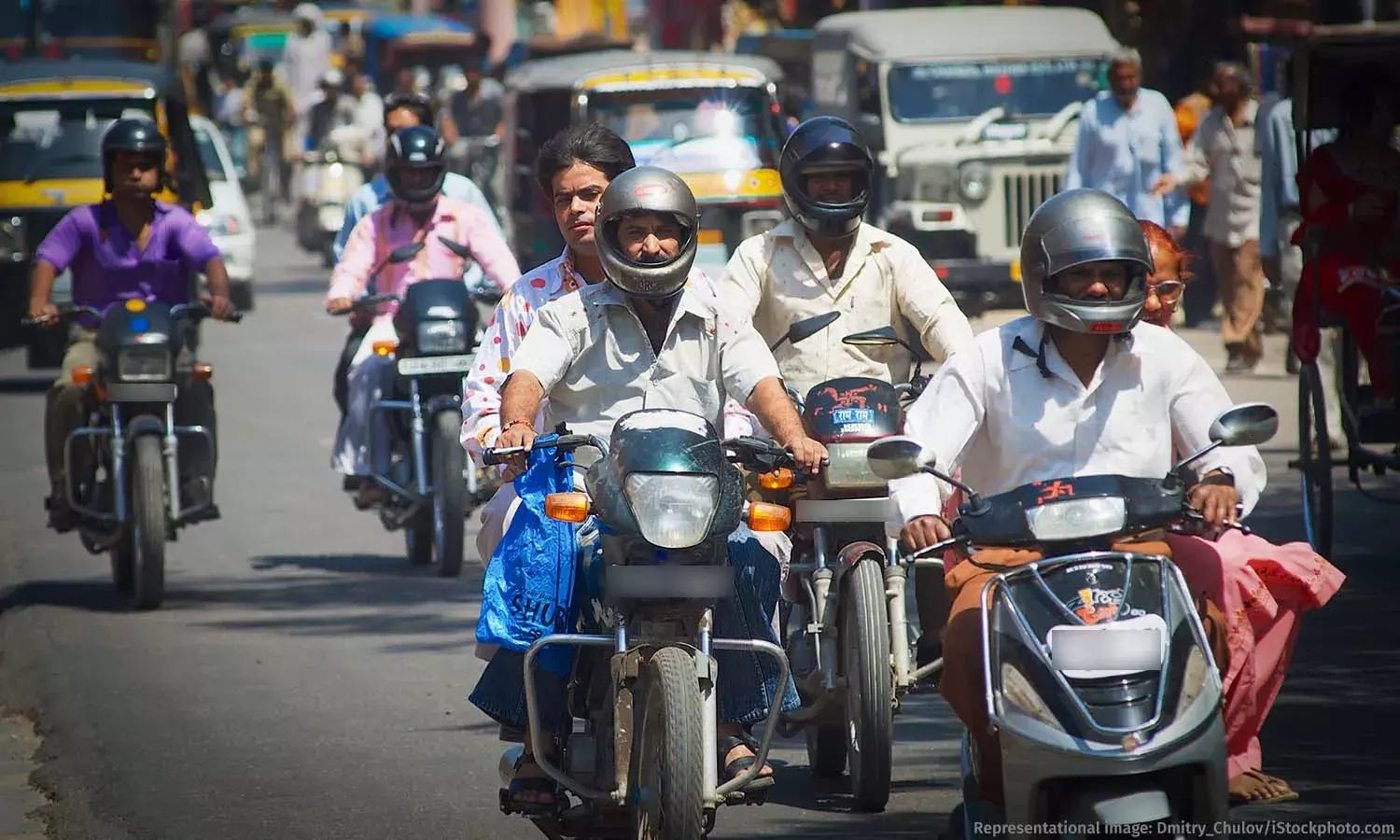
Two-wheeler riders account for 54% of road injuries. Delivery workers are disproportionately exposed—about 50% of 400+ gig riders surveyed in Mumbai reported experiencing a crash. Many hold licenses for less than six months. Untrained riders on e-bikes under 25 km/h need no license.
Government cashless treatment schemes help with emergency costs. But brain trauma, spinal injuries, crush injuries—these require months or years of rehabilitation that no programme adequately covers. Prachi Salve reports.
Have a good weekend!