

The Trial Phase
This week, India's ambitions to ramp up clinical trials, and a volunteer group that helps prevent human-elephant conflict

Dear Reader
Let me take you back to early 2021, a few months before the horrors of the second Covid-19 wave, when much of the world was waiting for approval and/or widespread availability of vaccines.
Clinical trials were being conducted widely, but there were problems: Many lacked rigour, some trial participants said they did not understand that they were taking part in a trial, some agreed assuming that it was a vaccination drive, still others said they were offered Rs 750 as payment. “I needed the money,” one participant had told us.
Fast forward to today, and the Union government wants to “create a network of over 1000 accredited India Clinical Trials sites”. This is under the newly announced Biopharma SHAKTI, aimed at building an “ecosystem for domestic production of biologics and biosimilars”, and developing India as a global Biopharma manufacturing hub.
But low patient awareness is still a concern, as are participant recruitment, trial finances and ethics committee membership and operations, our reporting found. Filling these gaps is critical to ensure that patient’s rights are upheld.
Elsewhere, with shrinking habitats and narrowing migration corridors, human-elephant conflict has become frequently, often with deadly consequences. We follow a group of volunteers who spend days and nights tracking elephant movements, and help prevent encounters.
From ‘Guinea Pig’ to ‘Aware Patient’
Over the last 13 years, India’s clinical trial framework has been significantly strengthened. New rules include provisions for compensation to trial participants, and recording consent on video, especially among vulnerable populations. These, and mandatory registration of ethics committees with the central licensing authority were to improve safeguards for patients.
That is on paper.
Studies show that anywhere between 60% and 75% of the population is insufficiently informed.
“Many patients who participate in clinical trials in India aren’t aware that they could suffer an adverse drug reaction, contrary to getting better, nor are they aware of their rights in such an eventuality,” explains Amulya Nidhi of the Swasthya Adhikar Manch, a not-for-profit working in the clinical trials space.
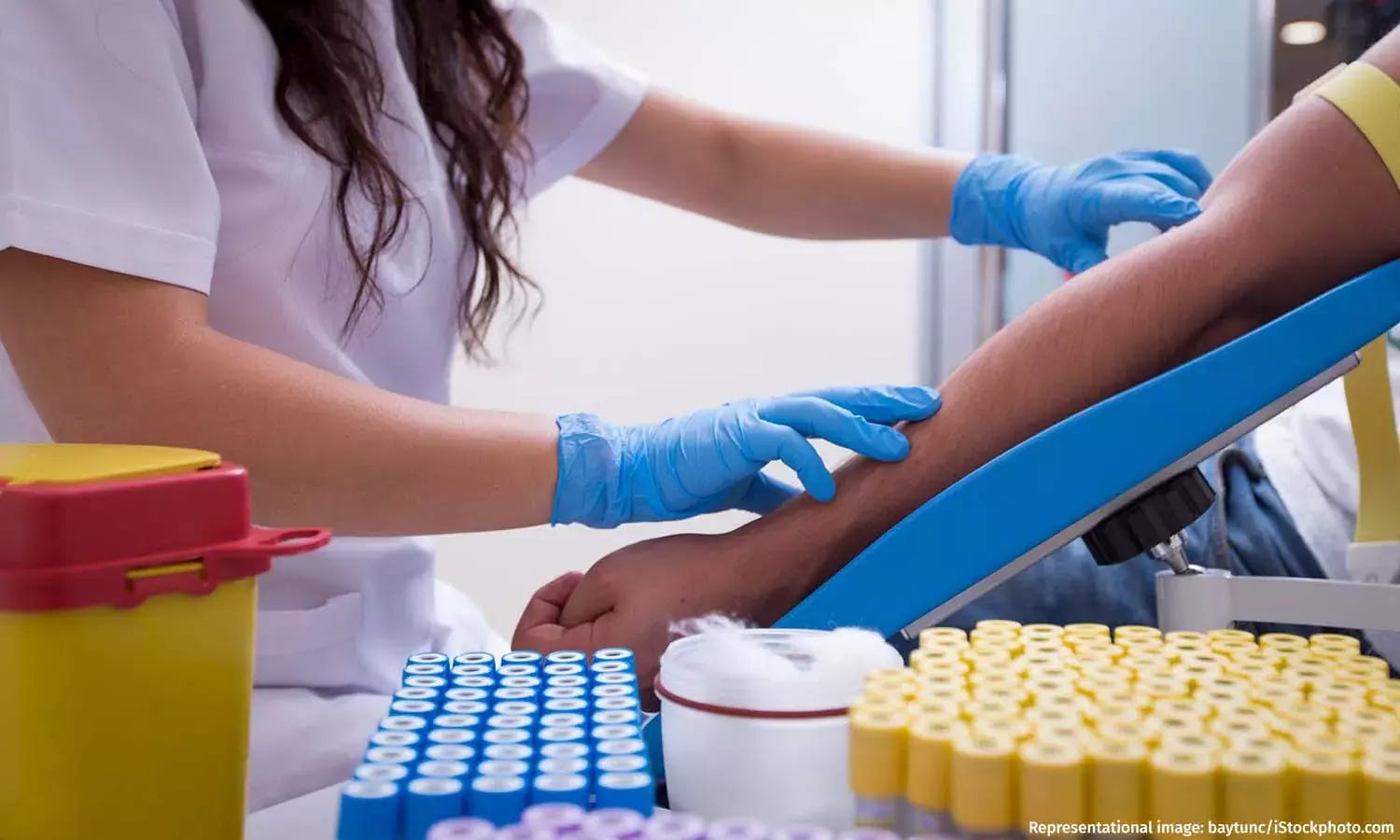
A Supreme Court-recommended apex committee to approve new trials has never met. And there are issues with trial finances and ethics committee membership and operations. At Ahmedabad’s Sheth VS General Hospital, for instance, a probe found financial irregularities across 58 trials involving over 500 patients: 15 doctors had diverted Rs 1.87 crore to personal accounts over four years.
As 1,000 new accredited trial sites come online, Poonam Bagai, founder and chairman, CanKids…KidsCan, which also hosts the Pediatric Cancer Research Institute (pCRI), an initiative focused on patient-centred paediatric oncology research, pointed out that the government will need to strengthen monitoring. “Oversight should be risk-based and enabling, ensuring ethical standards without discouraging responsible research.”
Tracking Elephants In The Dark
One morning in 2023, Manwari Bareth and her husband left their village in Chhattisgarh to collect mahua seeds—oil from the seeds can bring a family Rs 6,000 in a month. They heard a sound in the forest. Her husband said it must be a falling twig. It wasn't.
"Around 9 a.m., they found his body. His chest and shoulder crushed, his body was in a twisted position," Bareth said.
His was one of 135 human deaths recorded in the Dharamjaigarh forest division of Raigarh district between 2000 and 2023. In the same period, 33 elephants died there from electrocution by the fences farmers use to protect their crops.
This is what human-elephant conflict looks like on the ground: a shrinking forest, farmers desperate to protect harvests, elephants with nowhere left to go, and communities caught in between.
Six volunteers—paid Rs 10,000 a month, with no insurance—spend days and nights tracking elephant herds. "If you think of this work as a source of livelihood, it is impossible,” says 40-year-old Javed Sheikh, a member of the Hathi Mitra Dal.
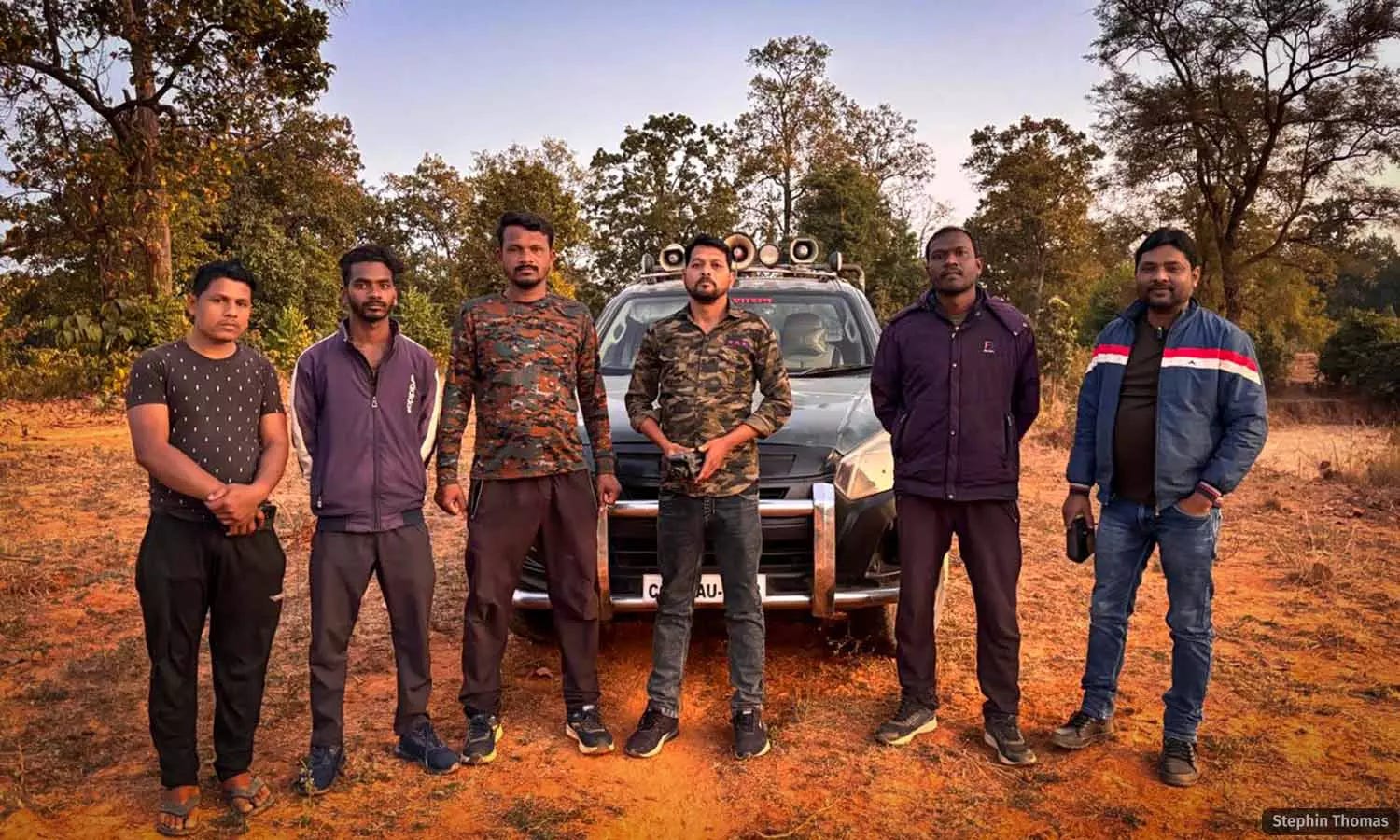
When not tracking elephants, Sheikh and his team visit villages and spread awareness, discouraging villagers from using electrical fencing, and informing them about changes in elephant movement patterns.
Farmers whose livelihoods depend on their harvests can become frustrated when herds damage fields overnight. “If crops are damaged, people become angry. We have to face that too,” he adds.
The Hathi Mitra Dal is a state government initiative started in 2018, and works with forest officials to track herds and alert villages. But as forests fragment and elephants lose corridors, the volunteers are managing a crisis that structural investment has not kept pace with, Stephin Thomas reports.
Have a good weekend!