

The Trouble With India’s Heatwave Mortality Estimates
This week, why official estimates of heatwave mortality vary so widely, and how farmers enrolled in private carbon projects are in the dark

Dear Reader
India does not have a single national estimate of how many people die because of heatwaves.
For 2024, the National Crime Records Bureau recorded 1,832 deaths from heat or sunstroke. The National Centre for Disease Control counted 161 confirmed heatstroke deaths, while the India Meteorological Department recorded 389 heatwave deaths.
The differences begin with what each agency counts. The NCRB relies on police records of deaths attributed to forces of nature. The NCDC’s National Heat-Related Illness and Death Surveillance system collects reports from health facilities. The IMD compiles information from state disaster management authorities and media reports.
Even within these systems, suspected cases do not necessarily become confirmed deaths. Between March 2023 and July 2024, Madhya Pradesh recorded 12,765 suspected heatstroke cases but only 18 deaths. A person who dies after heat worsens a heart, kidney or respiratory condition may have that illness recorded as the cause, with no mention of heat.
Experts say recording has to move beyond hospitals, and systems have to be set up to ensure cases are not missed.
Elsewhere, Uttar Pradesh farmers enrolled in private carbon-farming projects say they are in the dark about how carbon credits were generated from their fields, when the credits might be sold or how much money they could receive.
Why India Needs To Record Heatwave Mortality Better
On May 25, six-year-old Hasnain died in Madhya Pradesh’s Chhatarpur. His family believes he died due to the extreme heat. Health officials say it may have been food poisoning.
Heatwaves are among the deadliest climate disasters, but their toll is unusually difficult to see. A cyclone can destroy houses and a flood can sweep away settlements. Heat often kills by aggravating an existing illness, leaving no single visible sign that establishes it as the cause.
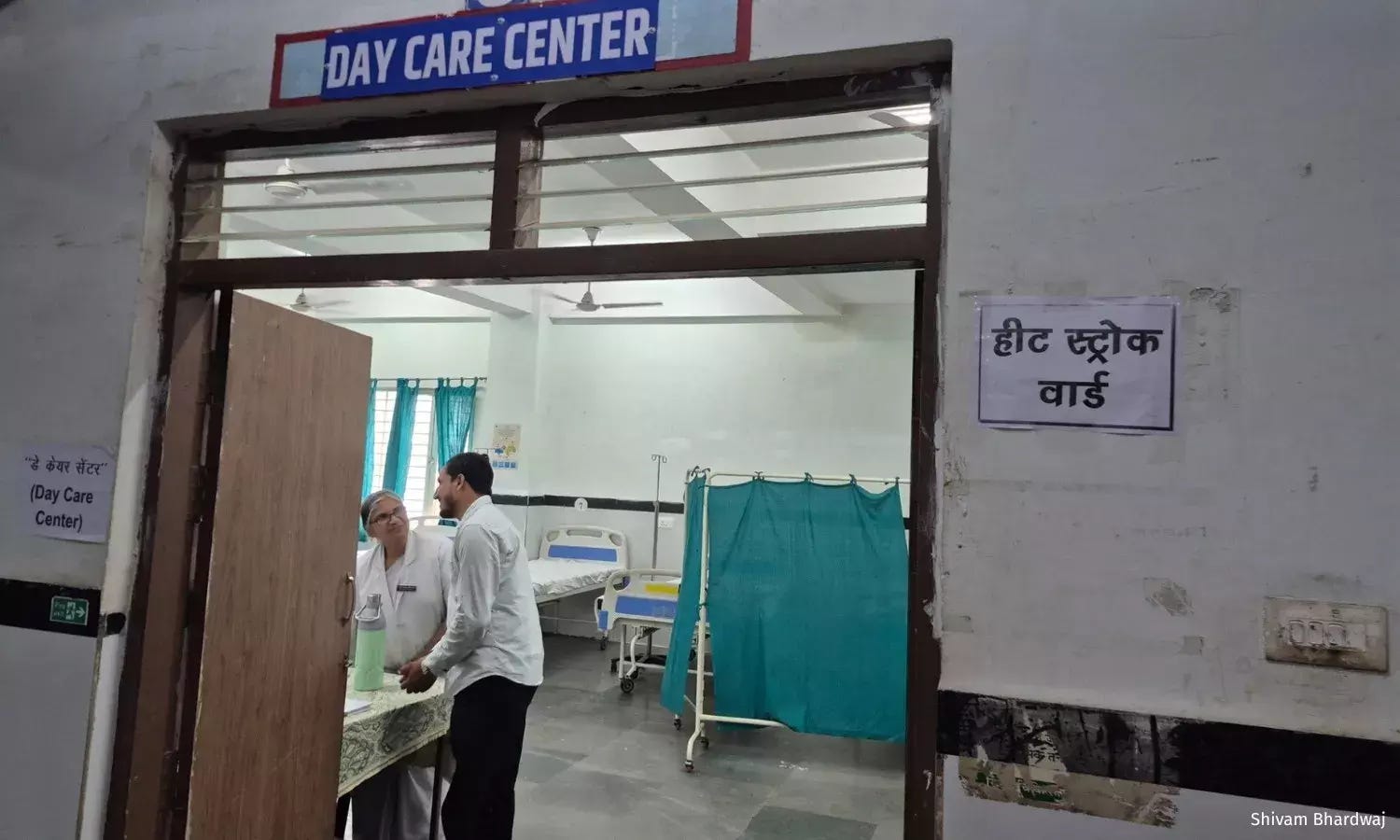
Official figures can exclude people who never reach a hospital. This is particularly important for outdoor workers, people living alone and residents of rural areas with limited access to healthcare. Even when a patient is treated, doctors may record cardiac arrest, kidney failure or another immediate medical condition rather than the heat exposure that precipitated it.
Public-health researchers use “excess mortality” to estimate this wider burden: they compare the number of deaths with the number that would ordinarily be expected. To do this properly, India would need daily, local mortality data from civil registration systems, hospitals, crematoria and burial grounds, matched against temperature and humidity data.
Such estimates would help identify where deaths are rising, which populations are most vulnerable and whether measures under heat action plans are reducing mortality. Shivam Bhardwaj writes.
The Communication Gap That’s Plaguing Private Carbon Farming
In August 2022, climate-technology company Boomitra held an online meeting for farmers and partner organisations in northern India. Its project documents say 487 people attended and include a feedback form bearing the name and signature of Jung Bahadur, a farmer in Hardoi.
Bahadur does not remember attending the meeting. The handwritten form says he learnt about the importance of carbon for farmers and the benefits of organic farming. But Bahadur, who studied until Class VIII, said he could not have written the responses attributed to him. He signed his own palm to compare the signature with the one on the document.
Bahadur is among farmers listed in documents for projects that aim to generate carbon credits by changing agricultural practices. Farmers may be asked to stop burning crop residue, reduce tillage, alter fertiliser use or shift to direct-seeded rice. The resulting reduction or removal of emissions can be converted into credits and sold to companies seeking to offset their own emissions.
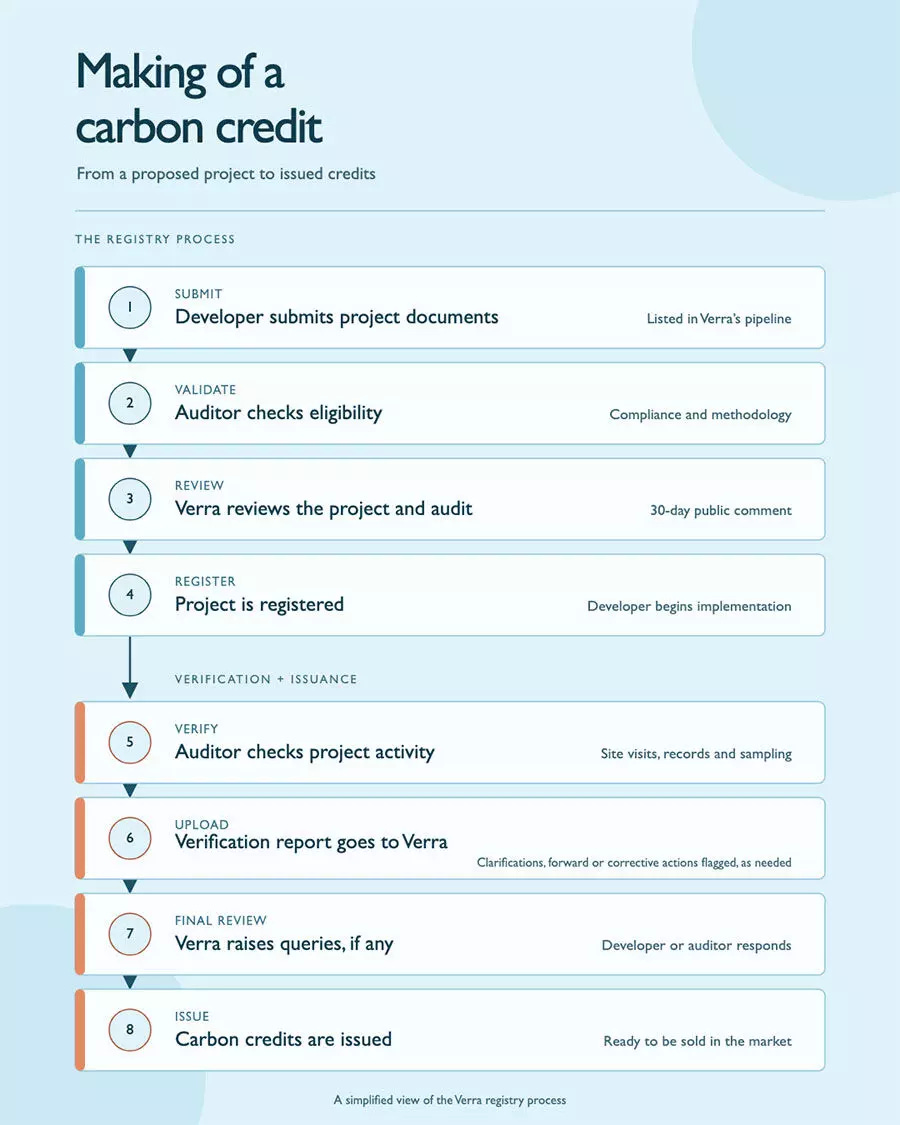
But among 15 farmers we spoke to in five villages in Hardoi, only two recalled people visiting to discuss crop-residue management. Several did not know that they had been included in a carbon project.
The companies say they work through local partners such as farmer producer organisations, which help identify and communicate with farmers. Boomitra said it verifies farmers’ telephone numbers and provides access to its application, though adoption varies.
The potential sums are difficult for farmers—or outsiders—to calculate. Carbon-credit generation differs by farm and depends on baseline conditions, soil, implementation and verification. The selling price is generally not public. Varaha promises farmers 70% of net revenue after specified costs, while Boomitra says farmers receive 55% of total revenue. But without knowing the sale price and deductions, farmers cannot independently determine whether they have received the promised share.
We analysed hundreds of pages of project records and traced the companies, field partners and farmer networks behind two large projects in Uttar Pradesh. Aishwarya Tripathi writes in the first of a two-part series.
That’s all for this week. We’ll be back soon, with more.