

‘Twixt the Cup and the Lip
This week, what disaster relief for heatwaves could look like, and how medical boards are gatekeeping legal abortions

Dear Reader
Hospital waiting rooms are depressing, and depending on where you are, can get intolerable. And in the hours of waiting for updates from doctors outside an ICU, you tend to read the advisories and informational material pasted in the room.
This week, I spent some time in the waiting room outside an ICU in Hyderabad, where we lost a friend’s father. There was a six-foot standee advocating organ donation, with text in English and Telugu, and illustrations showing which organs could be donated. But when the time came, and we asked if the hospital could connect us for further process, no one around knew what to do.
At IndiaSpend, we have written about such gaps several times before—between a noble, well-intentioned policy or idea and lax implementation. This week too, we have two stories that look at such gaps.
The first is a recommendation by the 16th Finance Commission to include heatwaves in the list of disasters, so that states can unlock critical financing. But definitional issues persist, and without resolving them, the most vulnerable may never see benefits.
And the other is a story on how medical boards set up to review cases of abortion are turning into final arbiters of rights.
The fine print in disaster relief
India’s disaster management laws currently recognise 13 types of natural disasters, providing access to emergency funds for states reeling under the impacts.
Over the years, experts and state governments have called for heatwaves to be included in this list, but this has not yet happened. The Finance Commission has, for the first time, made this recommendation, but the government is yet to accept it. If and when it is accepted, definitional problems could cut off access to funds for the most vulnerable.
Take the case of drought: Declaration of a drought in a state, assessing its extent, damage and issuing compensation to those affected often becomes a problem and many who suffered losses are not recognised.
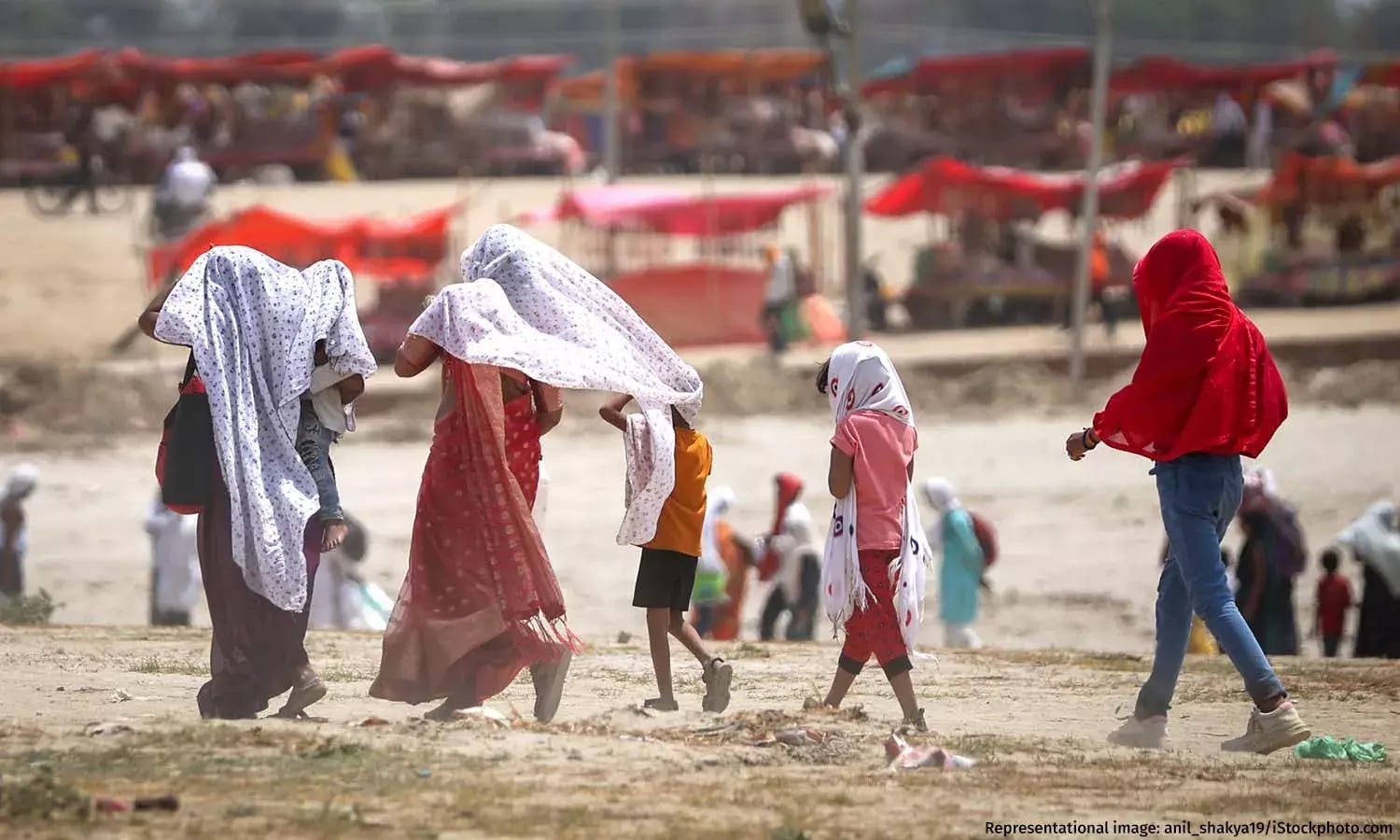
A heatwave is declared by the India Meteorological Department, but extreme heat can affect the health of vulnerable populations even below the heatwave threshold. In such scenarios, states will not be able to access disaster relief funds to provide compensation or support.
“So far, lightning and heatwave are local disasters and the number of casualties are low, so the states don’t need large-scale resources such as the NDRF,” said Krishna Vatsa, member and head of the department at the National Disaster Management Authority. “But when it comes to mitigation, which are the long-term measures where we need to set up early warning systems, improve awareness, the resources required may be larger… Besides, it could help in the implementation of heat action plans.”
As India is expected to see more heatwave days and warmer nights in several parts of the country, Tanvi Deshpande explains what it will take to provide access to critical funds.
How medical boards control access to abortion
On April 24, the Supreme Court allowed a 15-year-old in her third trimester to terminate her pregnancy. A medical board pushed back citing rights of the unborn child, a concept not recognised in Indian law. The Supreme Court stood firm, but the minor gave birth to a baby boy on May 2.
India’s 2021 amendment to the Medical Termination of Pregnancy (MTP) Act expanded access to safe abortion by increasing the gestational limit from 20 to 24 weeks for special categories of women, including rape survivors, minors, and women with disabilities, and also mandated the establishment of state-level medical boards to evaluate complex cases.
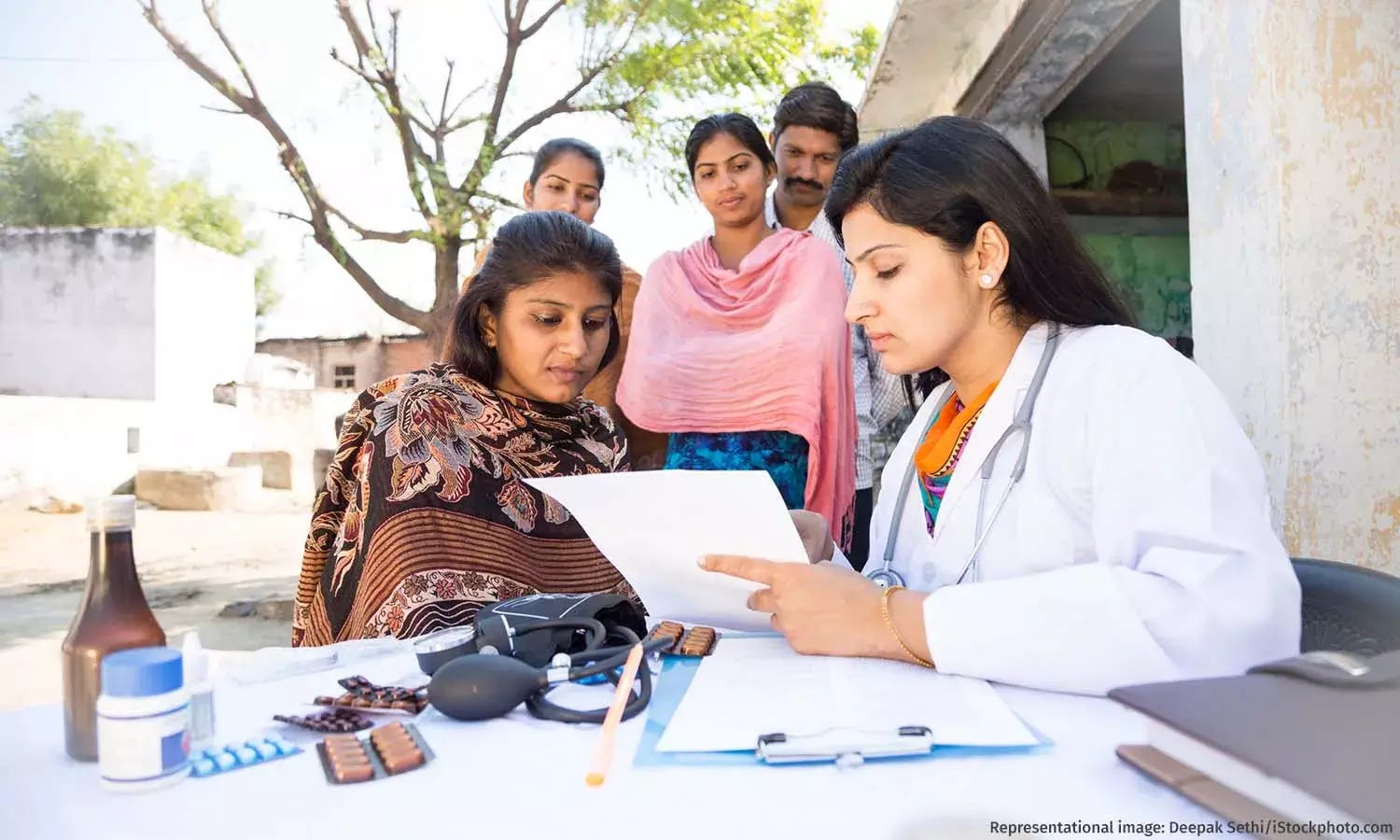
Nikhil Datar, a Mumbai-based obstetrician and gynaecologist, had challenged the original 1971 MTP Act, the 2021 amendment and the rules in the Supreme Court. Datar said the “shoddy drafting” of the abortion law itself is “problematic” and that the creation of medical boards not only violates fundamental rights but is also “another layer of paternalism whereby the law wants doctors to also be the legal gate keepers besides being medical advisors”.
“A woman’s right over her own body is absolute, subject to only one condition that she cannot cause harm to her own body,” senior advocate Colin Gonsalves said. “If there is no harm caused, she has an absolute right to decide on an abortion and nobody, not the government, not the medical board, nobody can actually overwrite that decision of a woman.”
A 2025 report, which studied 1,114 cases in the Supreme Court and the high courts between 2019 and 2024, revealed that permission to abort a pregnancy was denied in 11% cases. Of these, courts relied on the medical board opinion in 81.5% cases. Ritika Jain reports.
Have a good weekend!