

When Blood Runs Out
The constant struggle of thalassemia patients and their families, and how a dearth of voluntary blood donation affects Indians

Dear Reader
Do you remember the last time you donated blood? Or perhaps the last time someone you know needed it urgently—and you put out a frantic message in a WhatsApp group hoping someone, anyone, would respond?
Most of us think of blood donation as an act of goodwill, something you do at a camp outside your office or college, once a year if you remember. We don’t think of it as a system. And that, it turns out, is part of the problem.
This week, we published a two-part series on blood availability in India. Reading both parts together is important, because they show two sides of the same failure: What it looks like for children who need blood every fortnight and cannot reliably get it, and why the government’s claim that India has enough blood doesn’t quite add up.
A 16-Year-Old’s Monthly Emergency
Manisha Kumari has thalassemia, which means her body cannot produce enough haemoglobin on its own. She needs a transfusion every two weeks. In November, when she went to Sadar Hospital in Jharkhand’s Giridih district, she was told O-negative blood was not available. By the time her mother took her to a hospital in Dhanbad, Manisha’s haemoglobin had fallen to 2.5 grams per decilitre. The normal level is 12. Below 6.5 is life-threatening.
She eventually got one unit—after a resident doctor volunteered to donate on her behalf.
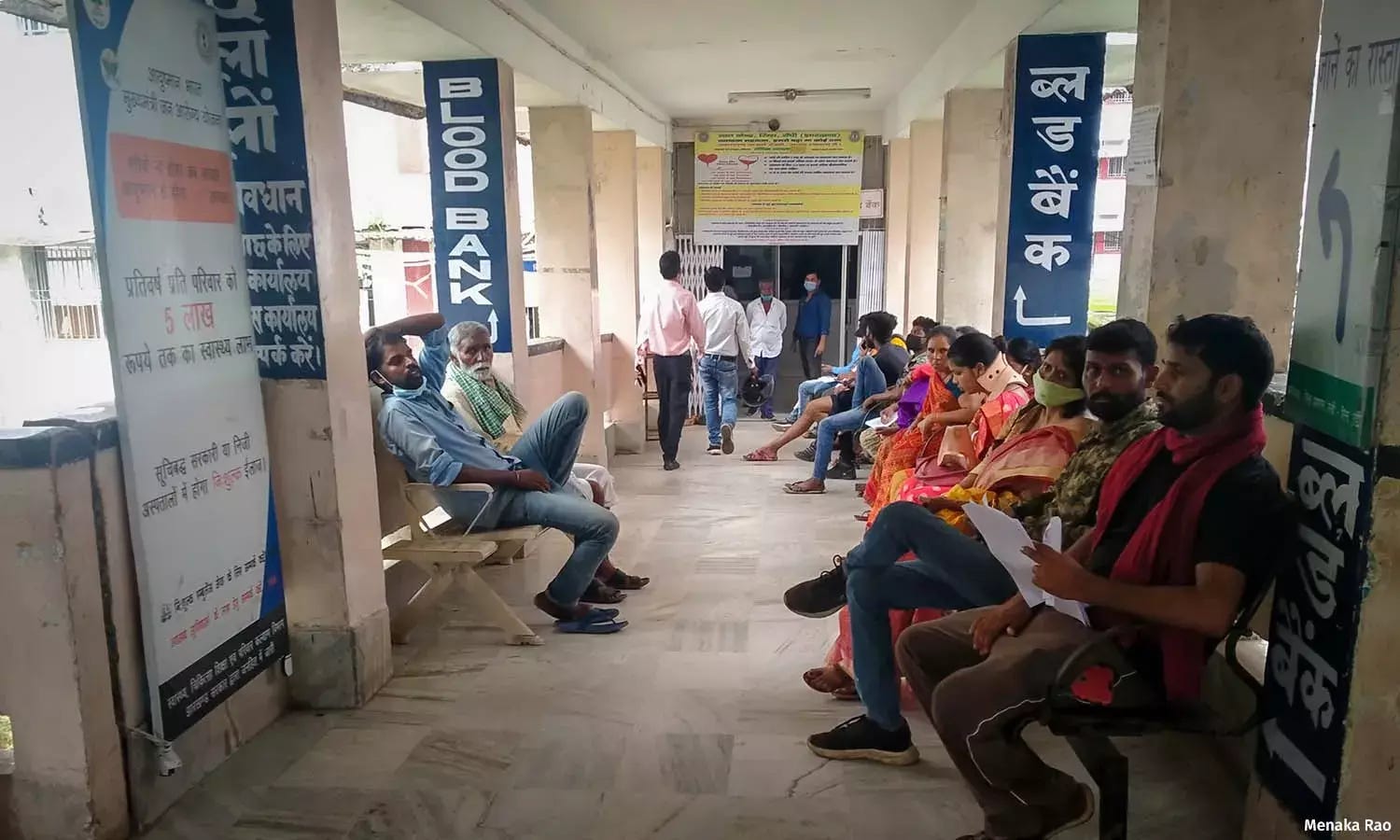
India has between 100,000 and 150,000 children with thalassemia major, the largest number in the world. Government guidelines say haemoglobin should be maintained between 9 and 10.5 gm/dL. In reality, we found that children in Jharkhand and Chhattisgarh routinely arrive for transfusions at 7 gm/dL or lower—because blood simply wasn’t available earlier.
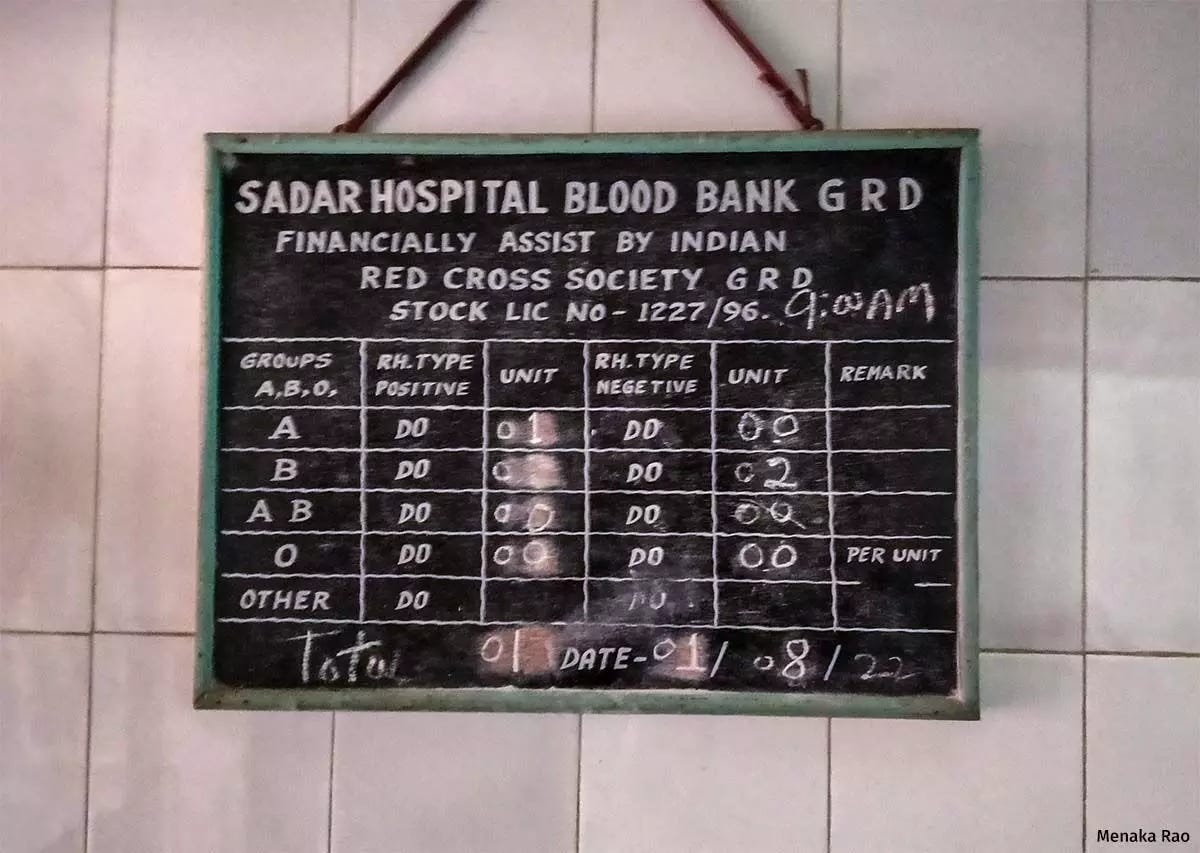
That’s not all, the children carry infection risk from transfusions. Five children with thalassemia in Jharkhand, and six in Madhya Pradesh, contracted HIV allegedly through blood transfusions. Since then, 17 blood bank licences in Jharkhand have been cancelled. Menaka Rao reports in Part 1 of the series.
Govt Says India Has Enough Blood.
In August 2025, the government told Parliament that India’s annual blood requirement of 14.6 million units was met in 2024-25. But that requirement figure comes from a 2018 study using a population estimate of 1.31 billion—India’s population in 2025 is 1.46 billion.
A 2024 study in the BMJ found that states covering 46% of India’s population “represent an effective blood desert”—areas where local demand cannot be met in at least 75% of cases. Bihar fared worst, with just 0.17 units per 1,000 population within a 60-minute radius. In Bihar’s district hospitals, C-sections are performed at 3.6%—less than half the WHO-recommended rate—in part because only 26% have access to a blood bank.
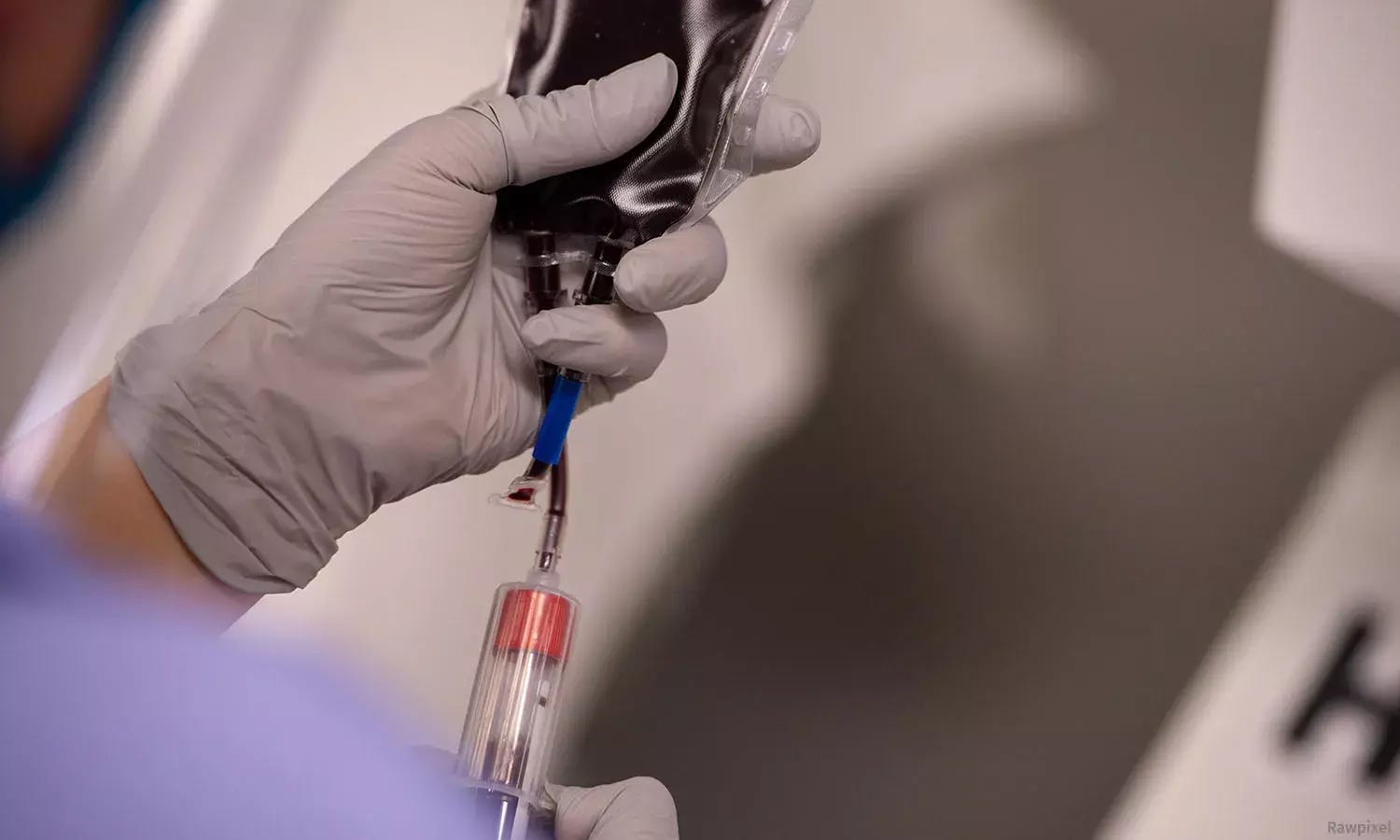
The government claims 70% of blood donated nationally is voluntary. Experts flatly reject this. In Jharkhand, state data submitted to the High Court showed voluntary donation at approximately 15%.
Replacement donation—where patients’ families must find their own donors—remains the de facto system, and is not just inconvenient but unsafe: replacement donors have higher rates of blood-borne infections than voluntary ones.
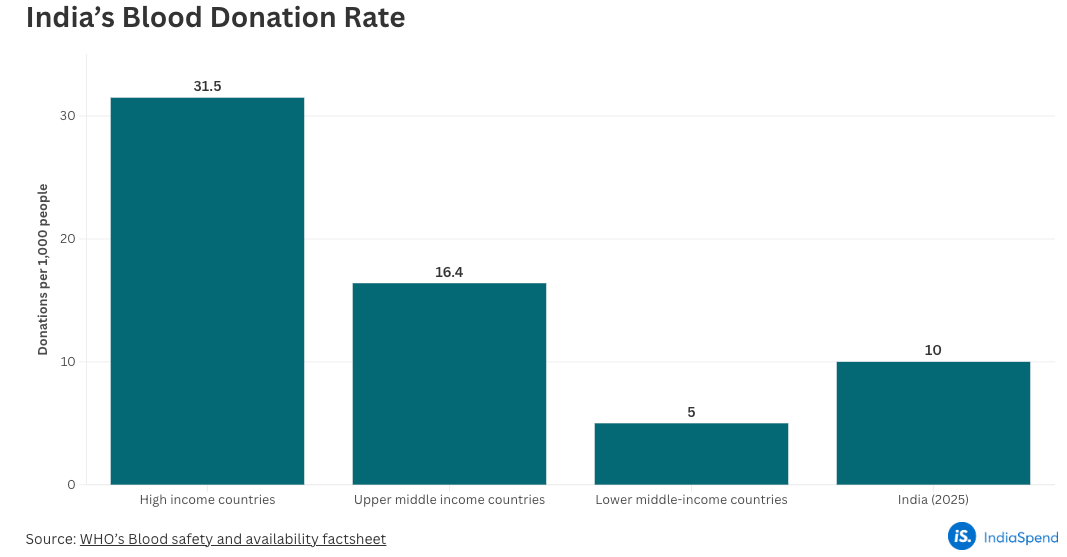
Read part 2 of the series by Menaka Rao.
That’s all for this week. Have a good weekend!