

When Heat Comes For The Vulnerable
The impact of heat on patients with chronic disease, on marginalised women forced to return to the chulha, and how compensation for accident victims remains elusive

Dear Reader
The India Meteorological Department has forecast heatwave to severe heatwave conditions in 17 states and Union territories until May 27.
Temperatures are breaking records in several cities, including minimum temperatures—which is particularly dangerous because, as we reported in May 2023, bodies need cooler nights to recover from the heat of the day, and when minimum temperatures remain high, we are stuck in persistent thermal stress.
Heatwave advisories ask people to stay indoors, but in informal settlements and affordable housing complexes, poor ventilation leads to trapped heat inside the home, making it intolerable. For patients with chronic illness, it adds to the stress, exacerbating their condition.
Our story this week looks at people with conditions such as diabetes, hypertension, cardiac issues, and disabilities to understand how extreme heat is affecting their health, livelihood and lives.
Meanwhile, the LPG crisis is forcing women to return to the chulha or traditional cookstoves. Cooking gas cylinders are in short supply, and are selling for a premium on the black market. Working on a chulha in this heat can become dangerous very quickly.
Elsewhere, India’s road accident victims struggle to access legal compensation, due to a lack of awareness, long delays, and complicated procedures.
Living with chronic disease in the summer
Vidya (name changed) can no longer work outside home. Her leg has a persistent wound from a burn injury, and her sugar levels remain high. Every summer, she says, “I feel this fear. My heart starts palpitating sometimes. What problems are waiting for me in these months?”
For Radha (name changed), who lost the function of her legs after spinal surgery four years ago, the summer means something worse: mostly confined to her bed in Guntur’s Sarada colony, with a single fan and corrugated iron roof overhead, she cannot cool herself, bathe, or do the most basic things without her 10- and 11-year-old children’s help.
And for Krishna (name changed), who had heart valve surgery three years ago and can no longer work, the heat inside his house brings a specific dread. “I feel tense during the heat inside,” he said. “Like something adverse will happen.”
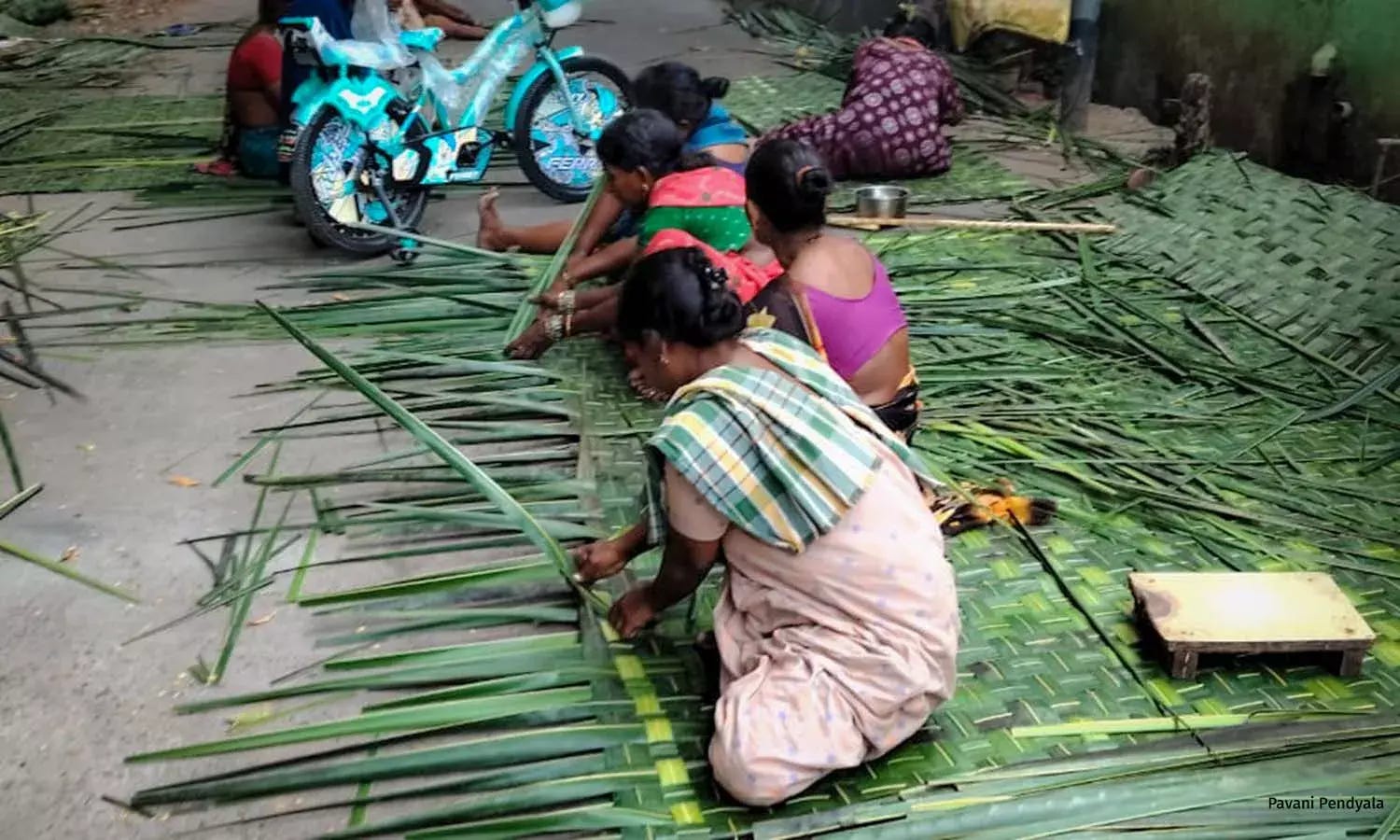
Everyday life is already a struggle for people like them, living in informal settlements with poor ventilation, roofs that trap heat, and limited access to cooling methods. But summers make it worse.
Research shows that heat stress raises blood sugar, can trigger sudden drops in blood pressure, damages kidneys, and strains the heart—risks that multiply for those with comorbidities in poorly ventilated homes. Frontline doctors often don’t recognise exhaustion or weakness as heat-related illness, prescribing painkillers that further harm the kidneys, experts say.
And it is bound to get worse. About 57% of Indian districts, home to 76% of the population, are at high to very high heat risk. Hemanth Chandu and Pavani Pendyala report from Vijayawada and Guntur.
Back to the chulha
The West Asia war has choked India’s LPG supply—India imports 60% of its liquefied petroleum gas—and cylinder prices have nearly doubled. A commercial 19-kg cylinder that cost Rs 1,768 in March now costs Rs 3,071, and on the black market, gas is selling for Rs 350-400 per kilogram. Delhi’s poorest women have gone back to wood and coal.
Parveena Khatun, 45, who runs a tea stall in Munirka, built a brick stove when supplies ran out in March. On a day when Delhi hit 43°C, the smoke and heat left her dizzy enough that she had to sit under a tree and wash herself with cold water. Her hands have burn marks—she had never cooked on a chulha before.
“If I buy Rs 100 worth of gas for Rs 400,” she said, “I would have to raise the price of a cup of tea from Rs 10 to Rs 40. Who would buy it?”
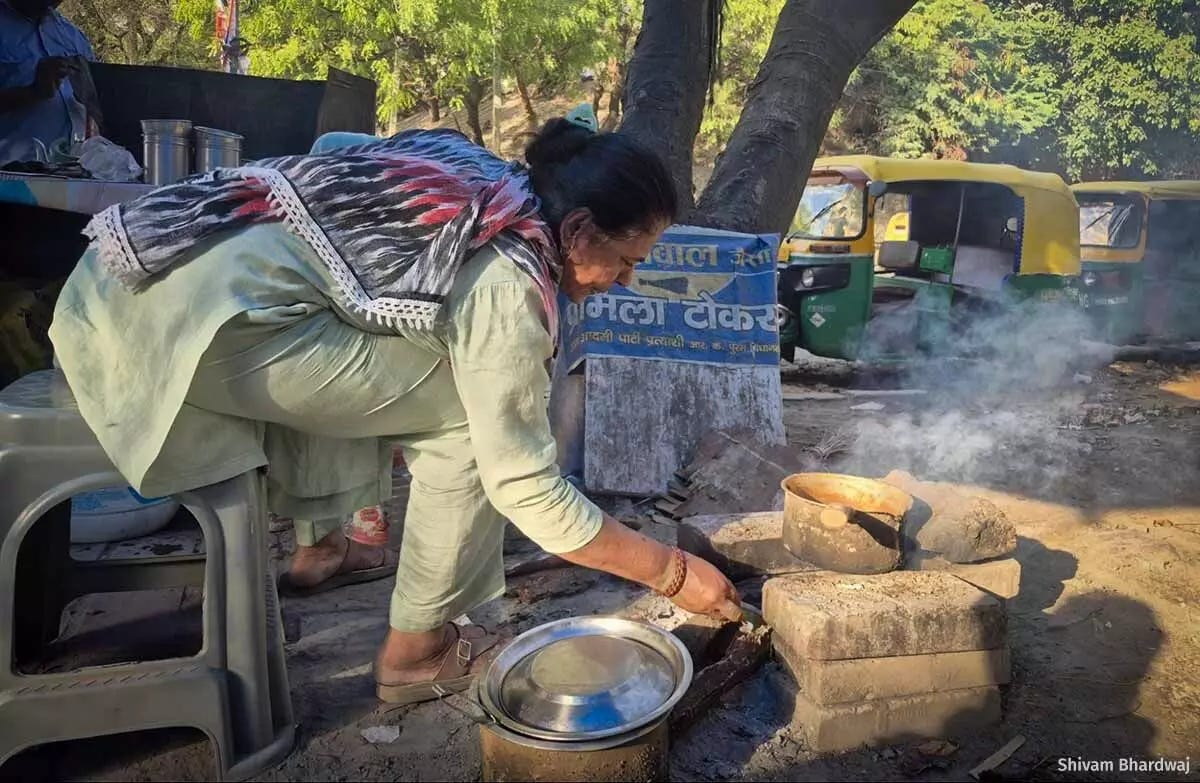
Each time a woman cooks over a chulha in this heat, her body is fighting two battles: trying to cool down while breathing harmful smoke. “It is a killer combination,” said Vidhya Venugopal, professor of occupational and environmental health. “This is far more dangerous than either problem alone and can quickly lead to exhaustion, dizziness, and breathing difficulties.”
A 2022 estimate places deaths from household air pollution at 1.65 million a year in India. Research published last month found that air pollution becomes significantly more dangerous as temperatures rise. For Reena Kumari in Vasant Vihar, who has no gas connection and two small children who cry from the smoke, the choice is stark: the chulha or starvation. Shivam Bhardwaj reports.
The compensation dead-end
India recorded 480,583 road accidents in 2023, resulting in 172,890 deaths. Two-thirds of those killed were aged between 18 and 45—the prime working years. For poor families, the financial burden can quickly compound.
Shoba Kshirsagar, a 55-year-old waste-picker in Pune, became her family’s sole earner overnight when her son was hit by a dumper truck. The family spent Rs 2.75 lakh out of pocket. She has filed for third-party insurance, but the case is ongoing. She has moved her family into a smaller place to survive.
Laws exist: mandatory third-party insurance, a Motor Vehicle Accident Fund, cashless treatment in the golden hour after a crash. In practice, 70% of low-income victims are unaware these mechanisms exist. Only 205 claims were filed against 25,000 eligible hit-and-run crashes in 2022-23. The average compensation timeline is 3.6 years—often stretching to 8-10 years. Meanwhile, Rs 80,455 crore in pending claims sit in courts across the country.
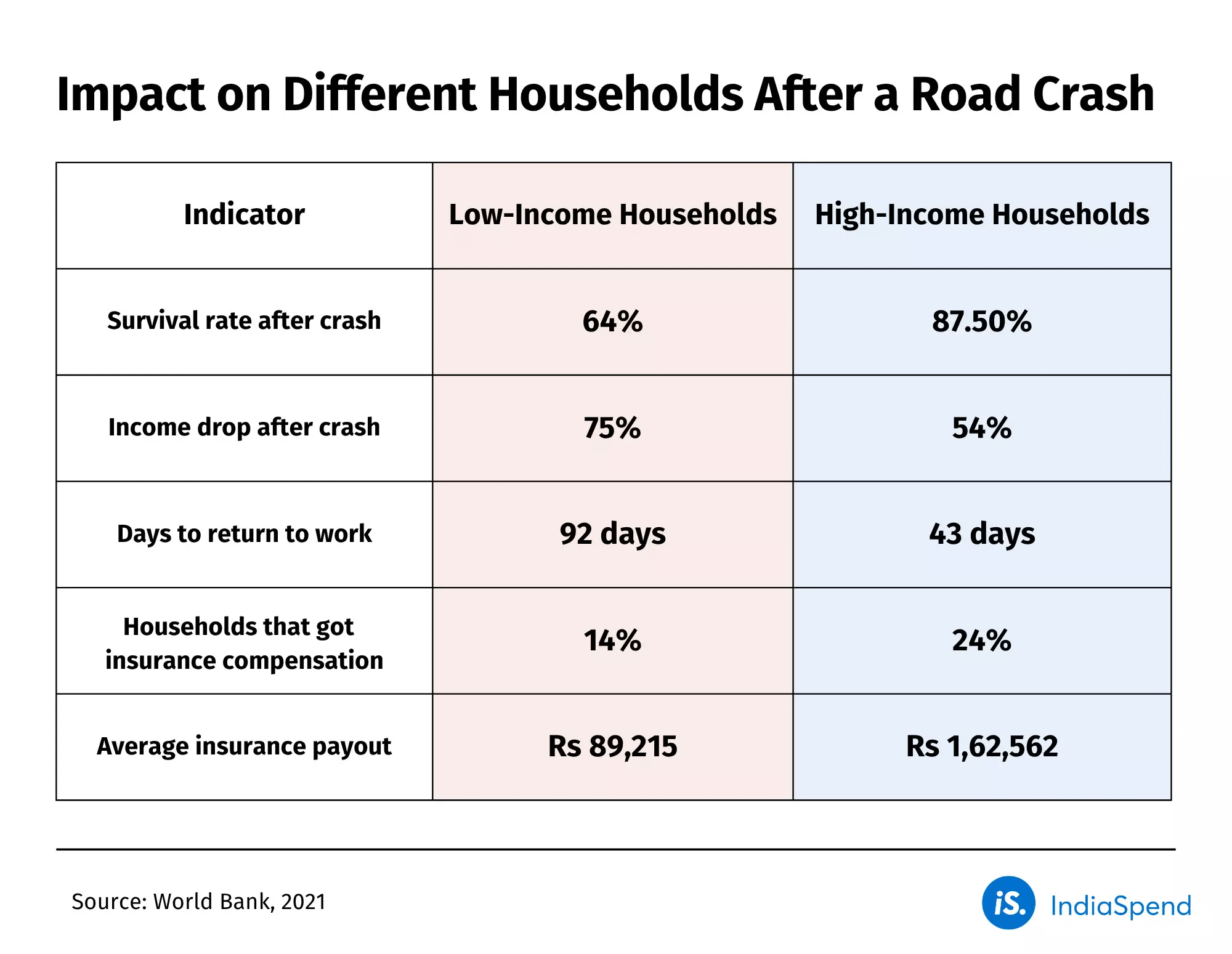
For Mitali (name changed), a professional in Gurugram whose scooter was struck by a car on the wrong side of the road, pursuing compensation required physical court appearances she couldn’t manage for months, a lawyer charging 30% contingency fees, and a case that still hasn’t concluded. “The key issue is not just the amount, but access,” said Ranjit Gadgil of Parisar. “By the time compensation arrives, families may already have taken on debt at high interest rates.” Prachi Salve reports.
Have a good weekend.