

Women, Water & Waiting
This week, scarcity in the ‘land of abundant water’, and the impact of poor public transport systems on women’s choices

Dear Reader
What do water and buses have in common? Time.
In Tripura’s hill villages, women spend 4-6 hours daily fetching water. In metropolitan cities, they spend hours in poor public transport. And both these activities shape their life choices—where they study and which jobs they can take, whether daughters continue education, how far from home they dare to venture.
This week, we bring you two stories that, at their core, are about the same thing: how inadequate infrastructure—missing water connections, unsafe public transport—dictates how women spend their days. Government dashboards show impressive numbers: 86% tap water coverage in Tripura, free bus schemes across multiple states. But the gap between data and reality is where women’s time disappears.
Water or Nothing
Anita Tripura wakes at 3.30 a.m., straps a bamboo basket of aluminium pots to her forehead, and walks downhill in darkness to a mountain spring. Each trip takes 2-3 hours. She makes two trips daily. Most of her waking hours are spent on water.
According to Jal Jeevan Mission data, 82% of households in her district have functional tap connections. In a nearby village, taps were installed three years ago. They’ve never seen water. In North Tripura villages, supply is erratic.
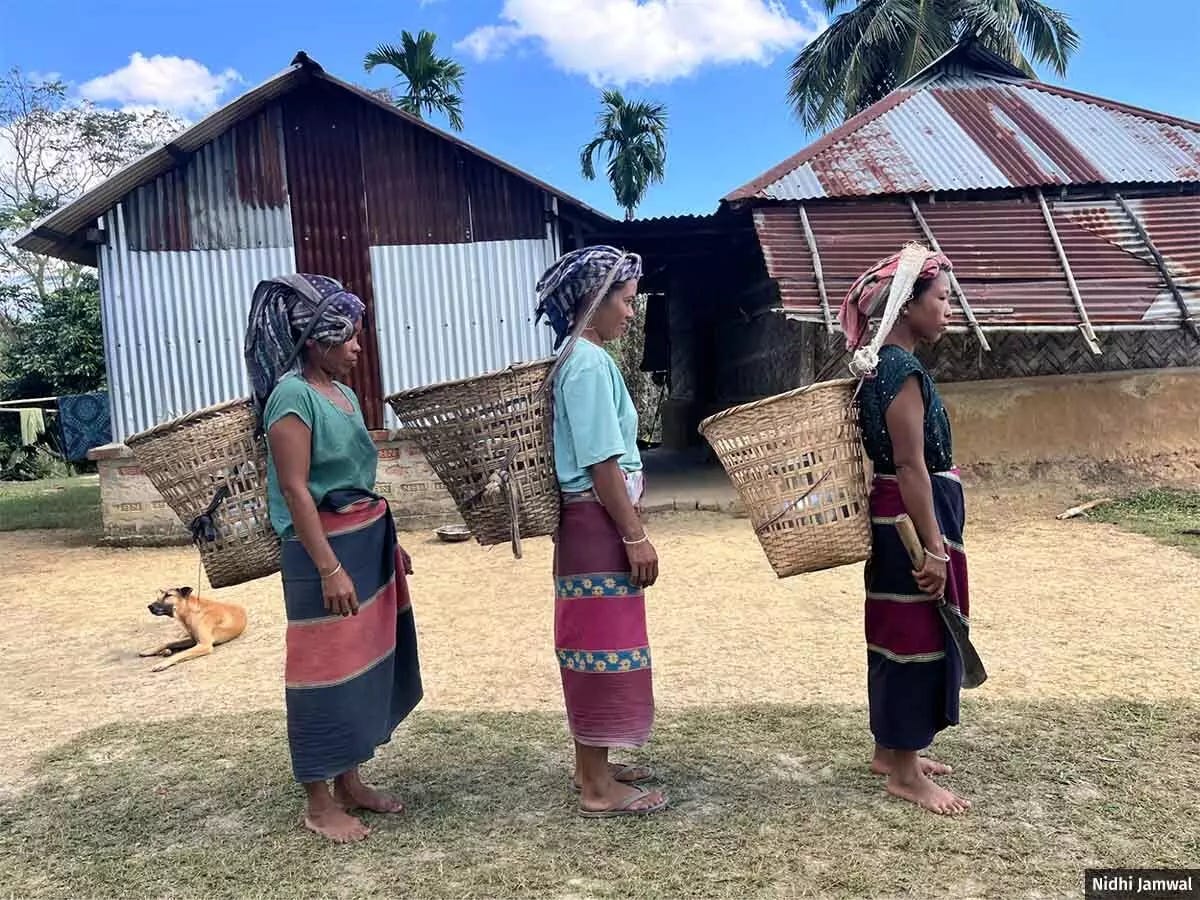
The problem extends across Tripura’s hill villages. Springs are drying due to climate change and deforestation. Summer monsoon rainfall has dropped 355 mm over 36 years in northeast India. Women now spend 4-6 hours daily fetching water—a quarter of their lives.
Girls miss school waiting in queues. At one government boys’ hostel with 86 students, there’s no tap water; students walk 1.5 km downhill to bathe at a spring where fights erupt with villagers over access.
This isn’t just Tripura. An estimated 200 million Indians depend on spring water, and 50% of springs in the Himalayan region have already dried up or reduced discharge. Nidhi Jamwal reports.
Beyond Free Rides
Several Indian states now offer free bus travel for women. The economic impact is measurable: Women save Rs 500-1,000 monthly. In Delhi, women’s bus ridership increased 20% since 2019. Among economically marginalised women, employment increased by 24 percentage points.
But the schemes don’t solve safety, accessibility, or service design.
Street sexual harassment remains endemic—56% of women across 140 cities reported harassment on public transport. Yet 91% never filed complaints. Infrastructure is hostile: poor lighting at bus stops, damaged footpaths, steep steps that exclude women with disabilities.
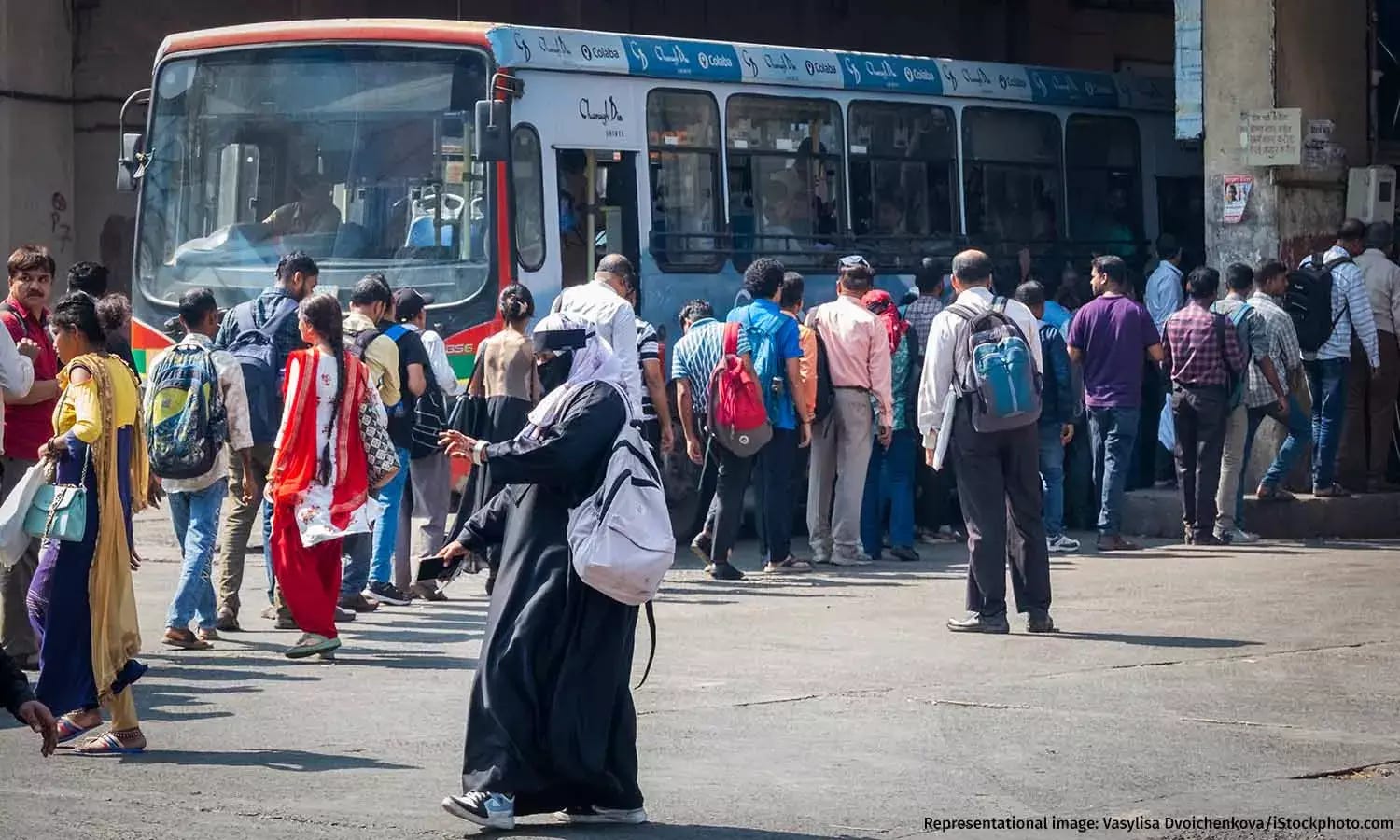
Then there’s the backlash. Despite schemes being funded through taxes, 54% of women report discriminatory behaviour—bus drivers refusing to stop, male passengers making insulting remarks, being told to take the next bus.
The design problem runs deeper. Public transport is planned around peak-hour male commute patterns, not the “trip chaining” women do—combining multiple tasks in one journey. Women travel at off-peak hours when frequency is lower and need first- and last-mile connectivity that often doesn’t exist.
Fare subsidies eliminate the economic barrier. But without addressing safety, dignity, and design, they remain incomplete solutions to women’s mobility crisis, Priya Verma writes.
That’s all for this week. We’ll see you next week with more stories.